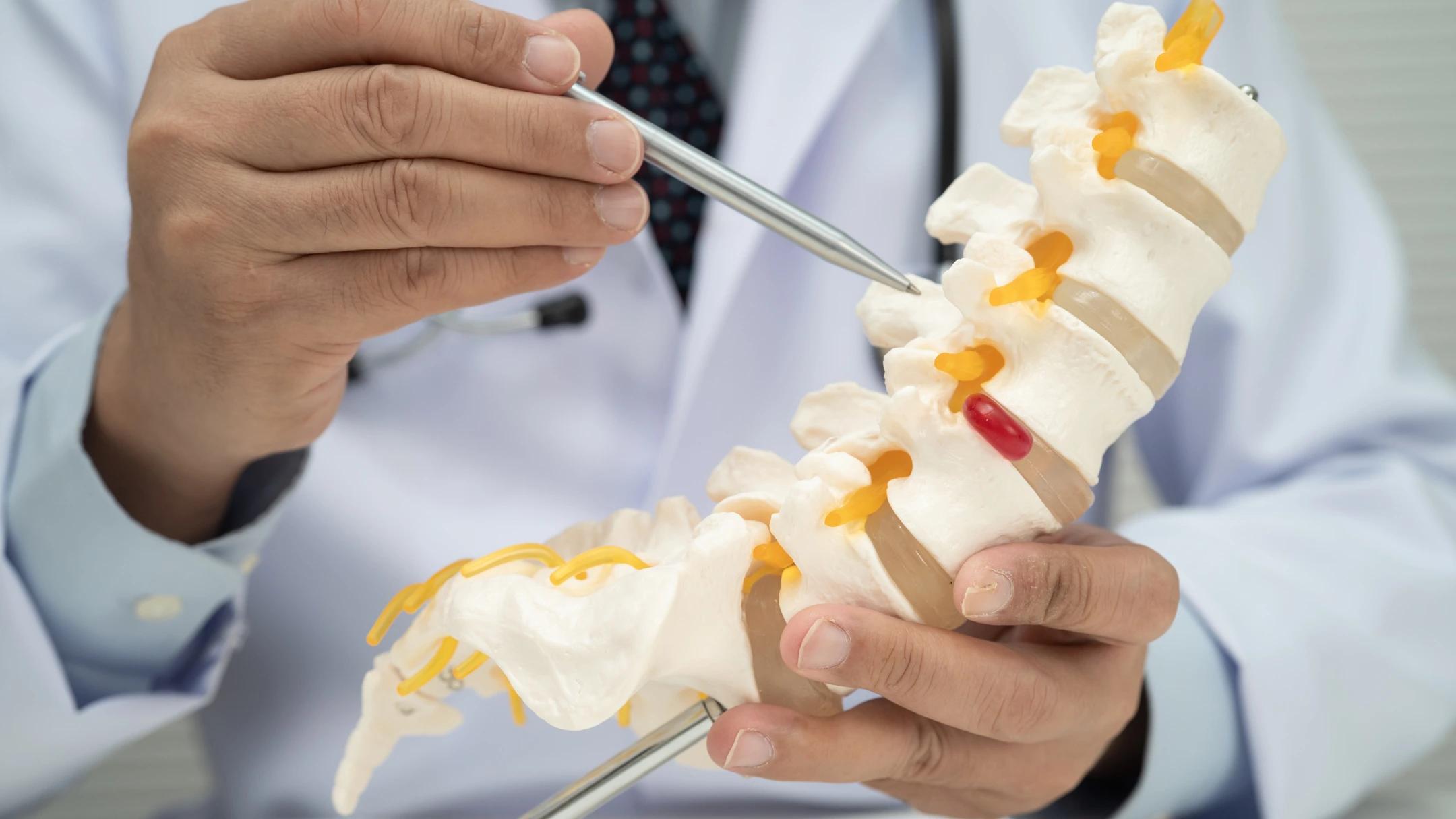
Is inflammation causing or healing your lower back pain? Learn the truth about managing it the right way.
KEY TAKEAWAYS
- Inflammation is not the enemy of healing. It is the first phase of healing. The cells that arrive at an injured tissue in the first 24 to 72 hours are not a problem to be suppressed. They are doing necessary work.
- Current expert guidance (the PEACE and LOVE framework published in the British Journal of Sports Medicine) explicitly recommends avoiding anti-inflammatory medications in the early phase of a soft tissue injury, because suppressing inflammation may impair long-term tissue repair.
- Acute inflammation (after an injury, lasting hours to days) and chronic low-grade inflammation (the kind associated with obesity, poor diet, and metabolic factors) are different problems and they need different responses.
- For acute lower back pain, the evidence points toward gentle movement, gradual loading, and patience rather than blanket suppression of the inflammatory response. For chronic lower back pain with a systemic inflammatory component, lifestyle changes and exercise have evidence behind them.
- "Reduce inflammation" is too simple as a treatment plan. The right question is "what kind of inflammation, and what does the tissue actually need right now?"
You have probably heard it a thousand times. Reduce inflammation, and your back pain will disappear. Doctors prescribe anti-inflammatories. Wellness blogs sell anti-inflammatory diets. Your brother-in-law swears by ice packs. The whole framework assumes inflammation is the bad guy in the story.
The story is more interesting than that. Inflammation is also your body's repair system. It is what shows up first to a damaged tissue, and without it the healing does not happen. So before you reach for the ice pack and the ibuprofen, it is worth understanding what inflammation is actually doing in your back, and when "reducing" it is the right move.
Here is what the current evidence says.

INFLAMMATION IS YOUR BODY'S REPAIR SYSTEM, NOT THE ENEMY
When a tissue is damaged (a muscle pulled, a ligament strained, a small tear in something deeper), the body responds in a coordinated sequence. Within minutes, blood vessels in the area dilate. Specialized immune cells arrive at the site. The injured area becomes warmer, more swollen, and more painful. That whole package of changes is what doctors call acute inflammation.
The cells that arrive are not the bad guys. They are clearing out damaged tissue, removing cellular debris, and signalling the start of repair. Without this phase, the tissue cannot remodel itself properly. Inflammation is the on-switch for healing.
Pain in this phase is part of the message. The pain limits how much you load the tissue, which gives the repair process room to do its work. If you turned the pain off completely on day one and went back to normal activity, the partly repaired tissue would re-tear. Some pain is functioning as a signal, not as the disease itself.
This is the core insight that has shifted clinical guidance in soft tissue injury care over the last decade. The old RICE protocol (Rest, Ice, Compression, Elevation) put suppression of inflammation at the centre of acute care. The newer framework that has replaced it, summarised in the 2020 editorial in the British Journal of Sports Medicine, is called PEACE and LOVE. One of its explicit recommendations is to avoid anti-inflammatory medications and ice in the early phase of a soft tissue injury, because they may interfere with the natural repair process.
THE MISTAKE IS SHUTTING IT DOWN TOO SOON
The instinct to reach for an anti-inflammatory at the first sign of back pain is understandable. The pain is what brought you to the medicine cabinet, and the box says "reduces inflammation." But when researchers look at what happens to the tissue when anti-inflammatory medications are taken in the early phase of an injury, the picture is more complicated.
A 2020 scoping review in Arthroscopy pooled the evidence on nonsteroidal anti-inflammatory drugs (NSAIDs) and musculoskeletal soft tissue healing. The majority of in vitro studies showed that NSAIDs interfere with biological processes involved in tendon healing, including the proliferation of the cells that build new tendon tissue and the synthesis of collagen and other extracellular matrix proteins. The animal data showed that selective COX-2 inhibitors negatively affect soft tissue healing after surgical repair. The human data is more limited and mixed, but the direction of the evidence is consistent enough that current expert frameworks like PEACE and LOVE recommend caution.
The clinical translation is not "never take an anti-inflammatory." It is "do not reach for one as the default response to every twinge, and especially not in the first phase after a fresh injury." If your physician has prescribed an NSAID for a specific reason after assessing your specific situation, that is between you and your physician. If you are popping ibuprofen four times a day because your back is achy, the equation is different.
Ice falls in a similar category. The classic RICE recommendation has shifted because the evidence does not strongly support routine icing for soft tissue injuries, and there is some signal that ice may interfere with the same repair processes that anti-inflammatory medications affect. Short use for pain management is fine for some people; routine, prolonged icing in the hope of speeding healing is no longer well supported.
ACUTE AND CHRONIC INFLAMMATION ARE DIFFERENT PROBLEMS
The argument above is about acute inflammation, the kind that follows a specific injury and runs its course over days to weeks. There is a different kind of inflammation that is also relevant to back pain, and it needs a different response.
Chronic low-grade inflammation is the persistent, low-level elevation of inflammatory markers (such as C-reactive protein, interleukin-6, and tumour necrosis factor alpha) that develops over years in the setting of obesity, metabolic syndrome, poor diet, chronic stress, and sedentary lifestyle. It is not the same response as the acute repair signal. It is a sustained background hum of immune activity.
A narrative review in PMC on low back pain, obesity, and inflammatory markers summarises the evidence that chronic low-grade inflammation is part of the picture in some chronic lower back pain. The mechanism involves cytokines secreted by hypertrophied adipose tissue, which can sensitise pain pathways and contribute to the broader inflammatory environment that surrounds chronic musculoskeletal pain.
For this kind of inflammation, the response is the opposite of acute. The things that reduce chronic low-grade inflammation over time are mostly lifestyle changes: regular exercise, better sleep, weight management, reduction in ultra-processed food intake, and stress management. There is no quick pharmacological fix that does this safely and sustainably. The good news is that the same interventions that reduce chronic inflammation tend to reduce chronic lower back pain through multiple pathways at once.
So when someone says "you need to reduce inflammation in your back," the right next question is: which inflammation, and is it the kind that is helping or the kind that is hurting?

WHAT ACTUALLY HELPS IN THE FIRST FEW DAYS OF A FRESH FLARE
If your back has just locked up after a lift, a long drive, or no obvious reason at all, here is what the current evidence supports.
Keep moving gently. Bed rest is no longer recommended for typical lower back pain. The principle is to do as much as the back tolerates without significantly flaring. Short walks, gentle range of motion, getting up and shifting position regularly all help the tissue stay supplied with circulation and prevent the secondary stiffness that builds when you immobilize.
Stay hydrated and eat reasonably. This is not about flushing out toxins. It is about keeping the basic biological machinery (which uses water and nutrients to repair tissue) supplied with what it needs.
Use heat in a measured way. Heat for short periods (15 to 20 minutes at a time) can reduce muscle guarding and improve local circulation without significantly suppressing the inflammatory phase. It is not a miracle, but it is generally low-risk.
Be patient with the discomfort. The acute phase usually settles substantially over the first one to two weeks. Pain that is persistently worsening, or pain that comes with warning signs (significant trauma, fever, unexplained weight loss, new neurologic symptoms, bladder or bowel changes) is a reason to see a physician promptly. Pain that is uncomfortable but on a downward trend is usually behaving normally.
Resist the urge to do too much, too soon. The corollary to "keep moving gently" is "do not go back to deadlifting on day three because the pain seems better." The tissue needs progressive loading, not full loading from day one.
WHAT ACTUALLY HELPS FOR CHRONIC, ONGOING LOWER BACK PAIN
If your back pain has been hanging around for months or years rather than days, the inflammation conversation is different. The acute repair window has long since closed. What is sustaining the pain is some combination of chronic tissue change, sensitised nervous system pathways, ongoing load, and (for some people) chronic low-grade systemic inflammation.
Exercise is the most evidence-supported single intervention. The 2021 Cochrane systematic review on exercise therapy for chronic low back pain found that exercise is more effective than no treatment, and more effective than education alone or passive physiotherapy without an exercise component, for adults with chronic non-specific lower back pain. Exercise also reduces chronic low-grade inflammatory markers over time. It addresses both the back and the systemic environment at once.
Manual therapy and joint mobility work helps in the short term and pairs well with exercise.
For the soft tissue layer in stubborn chronic cases, focused shockwave therapy and EMTT earn their place. Mechanistically, both work in part by modulating local inflammatory and tissue remodelling processes, which is how they help chronic tissue changes that have not responded to other care. The article on how focused shockwave therapy works covers the mechanism in more depth.
Diet, sleep, stress, and body composition matter more here than they do for a one-week flare. They are not the whole story, but they are part of the picture for chronic pain in ways that they are not for acute injury.

WHAT WE DO NOT OFFER
- We do not prescribe oral or topical anti-inflammatory medications. NSAIDs and similar drugs are prescribed by physicians, and decisions about them belong in a conversation with your physician.
- We do not perform or order imaging. X-rays and MRIs are ordered by physicians. If your situation needs imaging, we will tell you and recommend a conversation with your family doctor.
- We do not perform injections of any kind, including cortisone or platelet-rich plasma.
- We do not perform surgery. If your situation requires a surgical opinion, we will tell you and refer you to a spine specialist.
- We do not provide dietitian-level nutrition planning. We can flag where chronic systemic inflammation might be part of your picture, but personalised dietary planning belongs with a registered dietitian or your physician.
- We do not promise cures. Most chronic lower back pain improves substantially with the right combination of treatments, but not every case resolves completely. What we offer is an honest assessment, a clear plan, and a team that will tell you if we are not the right fit.
FREQUENTLY ASKED QUESTIONS
Should I avoid taking ibuprofen for my back pain entirely?
Not entirely, and the decision belongs with your physician for your specific situation. The point of this article is that taking NSAIDs reflexively, as the default response to every back twinge, is not as harmless as the box suggests. Short, occasional use for severe pain that is interfering with sleep or basic function is different from chronic daily use. The PEACE and LOVE framework in the British Journal of Sports Medicine explicitly recommends avoiding anti-inflammatory medications in the early phase of a soft tissue injury when other options can handle the pain.
Is ice bad for back pain?
It is more accurate to say the evidence does not strongly support routine icing for soft tissue injuries, and there is some signal that prolonged or repeated icing may interfere with healing. Short use (10 to 15 minutes at a time) for pain management in someone who finds it helpful is generally low-risk. Heat is often a better choice for muscular lower back pain because it relaxes guarded muscle tissue and improves local circulation.
What is the difference between acute and chronic inflammation?
Acute inflammation is the short-lived, locally concentrated response to a specific tissue injury. It runs its course over hours to weeks and is part of the healing sequence. Chronic low-grade inflammation is the persistent, systemic, low-level elevation of inflammatory markers that develops over years in association with obesity, metabolic syndrome, poor diet, and sedentary lifestyle. They are different biologically and they need different responses.
Does eating an anti-inflammatory diet actually help my back?
For chronic low back pain in the setting of metabolic risk factors, lifestyle changes that reduce chronic low-grade inflammation (less ultra-processed food, more vegetables, more omega-3 rich foods, regular exercise, better sleep, weight management) probably help over time. For an acute back strain that happened yesterday, eating salmon for dinner is not going to change the trajectory in any meaningful way. Diet matters more for chronic patterns than for acute episodes.
How long does the acute inflammatory phase actually last for a back strain?
In general terms, the acute inflammatory phase peaks in the first 24 to 72 hours and substantially subsides over the first one to two weeks. Tissue remodelling continues for weeks to months after that, depending on what was injured. Pain that is steadily improving over the first one to two weeks is usually behaving normally. Pain that is not improving by that point, or that is getting worse, is worth a professional assessment.
Can shockwave therapy work because it triggers a healthy inflammatory response?
Part of the mechanism, yes. Focused shockwave is thought to work in chronic tissue changes partly by restarting a stalled inflammatory and repair process that the tissue needs but is no longer mounting on its own. That is one of the reasons it is more effective for chronic conditions than for fresh acute injuries; an acutely injured tissue is already mounting that response on its own.
Do I need a doctor's referral to come to Unpain Clinic?
No referral is needed. Physiotherapists and registered massage therapists in Alberta are primary contact providers, so you can book directly. Some extended health plans require a doctor's referral for reimbursement, so it is worth checking your benefits.
ABOUT THE AUTHOR
Written by Uran Berisha, PT, RMT, Founder of Unpain Clinic and Medical Shockwave Institute. Uran is a physiotherapist based in Edmonton, Alberta, and an International Educator in Shockwave Therapy. Medically reviewed by Uran Berisha, PT, RMT.
READY FOR A SMARTER APPROACH TO YOUR BACK PAIN?
If your default for every flare has been ice and ibuprofen, and your back keeps coming back to the same trouble, the next step is a 60-minute one-on-one assessment in Edmonton where we look at what is actually driving your pain (acute injury, chronic tissue change, systemic factors, or some combination) and build you a plan that matches. No referral needed. We will tell you honestly whether our approach is the right call. You can book a one-on-one assessment when you are ready.
REFERENCES
The following sources are linked inline in the body above. The full citations are listed here for completeness.
- Dubois B, Esculier JF. Soft-tissue injuries simply need PEACE and LOVE. British Journal of Sports Medicine. 2020;54(2):72-73. doi:10.1136/bjsports-2019-101253. PMID: 31377722. https://pubmed.ncbi.nlm.nih.gov/31377722/
- Duchman KR, Lemmex DB, Patel SH, Ledbetter L, Garrigues GE, Riboh JC. The Effect of Non-Steroidal Anti-Inflammatory Drugs on Tendon-to-Bone Healing: A Systematic Review with Subgroup Meta-Analysis. The Iowa Orthopaedic Journal. 2019. Related scoping review of NSAIDs and musculoskeletal soft-tissue healing: Constantinescu DS, Campbell MP, Moatshe G, Vap AR. Effects of Perioperative Nonsteroidal Anti-Inflammatory Drug Administration on Soft Tissue Healing: A Systematic Review of Clinical Outcomes After Sports Medicine Orthopaedic Surgery Procedures. Arthroscopy, Sports Medicine, and Rehabilitation. 2019. PMID: 31851037. https://pubmed.ncbi.nlm.nih.gov/31851037/
- Hayden JA, Ellis J, Ogilvie R, Malmivaara A, van Tulder MW. Exercise therapy for chronic low back pain. Cochrane Database of Systematic Reviews. 2021;9(9):CD009790. doi:10.1002/14651858.CD009790.pub2. PMID: 34580864. https://pubmed.ncbi.nlm.nih.gov/34580864/
- Brito da Cruz BC, Antunes Ferreira D, Avila MP, Brandao SCS, et al. Low back pain, obesity, and inflammatory markers: exercise as potential treatment (narrative review). Available at PMC5931150. https://pmc.ncbi.nlm.nih.gov/articles/PMC5931150/
Related Topics