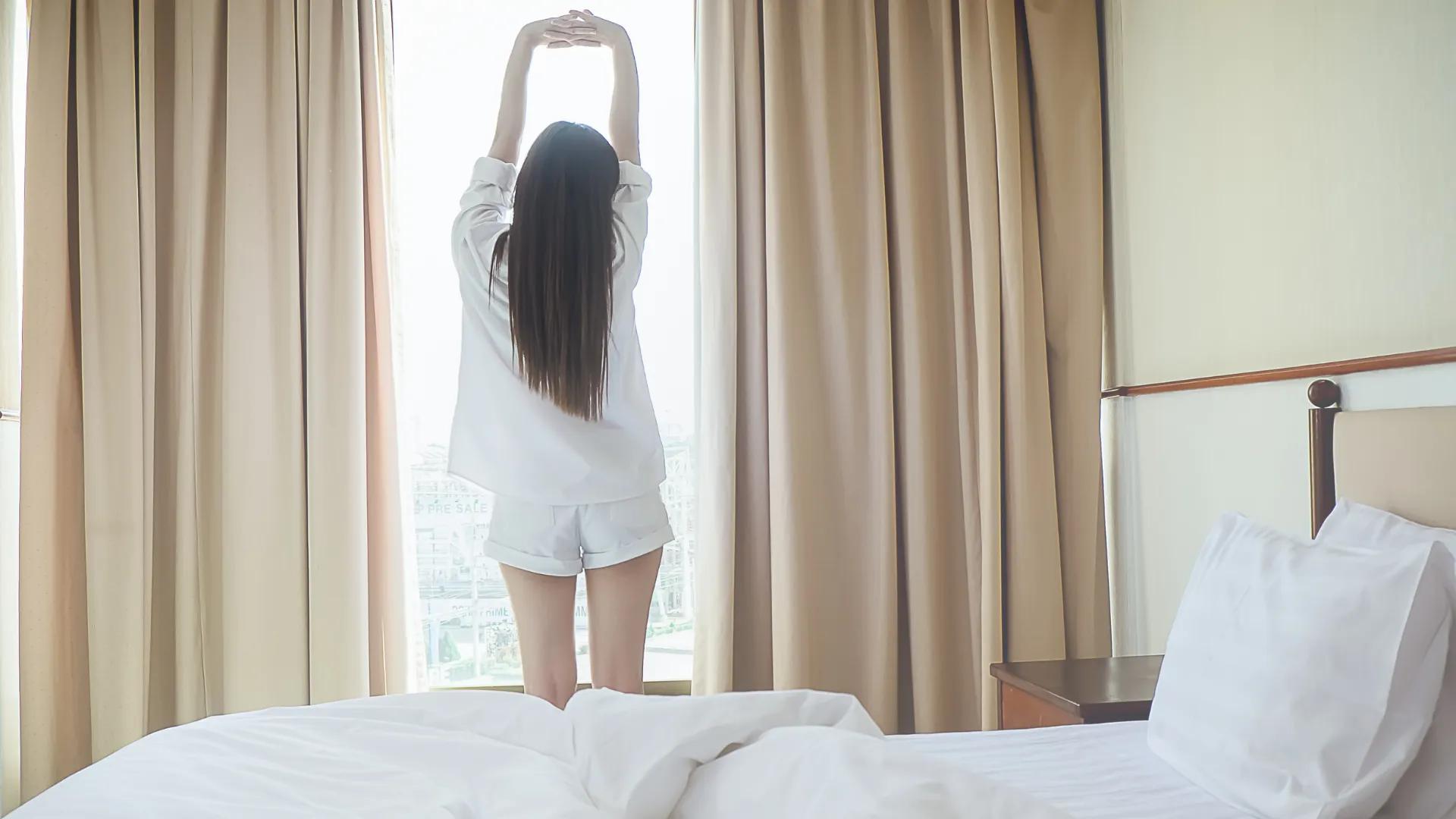
Why does my body hurt after resting? Learn why stiffness after inactivity happens and what can help at Unpain Clinic.
Key takeaways
- Feeling stiff and sore after a rest period is common and is usually a flare-up, not a new injury.
- Your body is built for movement. Prolonged inactivity lets muscles tighten, joints stiffen, and underlying imbalances resurface.
- Research consistently shows that staying gently active produces less pain and faster recovery than prolonged rest.
- People who stay physically active over time develop measurably higher pain tolerance than those who remain sedentary.
- The pain is not a setback. It is feedback telling you where to focus, and a whole-body plan that finds the cause and gets you moving again is the fastest way to turn that feedback into progress.
In this article: why pain returns after rest, what the research says about activity versus inactivity, how we treat it at Unpain Clinic, what you can do at home, and answers to the questions we hear most.
You took a break, hoping to rest and recharge, and now everything aches. If you are wondering why your body hurts more after resting, not less, take heart. Post-holiday pain is not a sign you have ruined your progress. It is feedback from your body, flagging where it needs attention. This guide explains why the pain appears, what science says about the right balance of rest and movement, and how to use that feedback to come back stronger.
This is general information, not a substitute for a professional assessment or medical advice. Results vary from person to person.

Why does my body hurt after resting?
Pain and stiffness after a rest period are common because our bodies are built for movement, and they respond to inactivity with predictable changes that make you feel worse before you feel better.
Muscles tighten and joints stiffen. When you stay still for an extended period, muscles literally become more rigid, and the lubricating fluid in your joints thickens. A controlled experiment found that sitting for 4.5 hours without moving significantly increased back muscle stiffness, but regular small muscle contractions prevented it [4]. That creaky, locked-up feeling when you stand up after a long couch session is your tissues telling you they have not been moved enough.
Underlying issues resurface. While you keep an active routine, you are unconsciously strengthening and compensating for minor dysfunctions, like a weak core or an old injury. When you suddenly stop, those compensations pause, and pain in areas that were borderline starts showing up. Your usual workouts may have been quietly keeping your back pain at bay, and a week of Netflix removed that support.
Too much rest deconditions you. Extended inactivity causes muscle loss, reduces pain tolerance, and can even make the nervous system more reactive to pain signals. Large studies have found that people who stay physically active tend to hurt less and tolerate pain better, while sedentary people are more likely to develop chronic pain [2]. Your body adapts to whatever you ask of it, and if you mostly rest, it gets very good at resting and less good at moving.
It is a flare-up, not a new injury. The tissues might be irritated and stiff, but nothing new is broken. Think of a rubber band left untouched for a while: the next time you stretch it, it feels tight, but it is the same band. Your post-holiday backache or hip pain is not undoing progress. It is reminding you that consistent care matters.
What does the research say about rest versus staying active?
The research is clear: gentle, consistent activity produces less pain and faster recovery than prolonged rest, across a wide range of conditions.
Staying active aids recovery. A Cochrane review of acute low back pain found that people advised to stay active had less pain and regained function faster than those told to rest in bed, and for sciatica, complete bed rest offered no advantage [1]. This shifted guidelines to "avoid bed rest beyond 48 hours" for most back pain.
Sedentary lifestyles raise the risk of chronic pain. A 2022 cohort study of young adults found that those with low physical activity levels were significantly more likely to report new chronic musculoskeletal pain a year later [2]. Inactivity is not just linked to stiffness. It sets the stage for pain to persist.
Exercise builds pain resilience. Research published in 2023 showed that people who stayed physically active over years had measurably higher pain tolerance than those who remained sedentary, and people who increased their activity saw their tolerance rise over time [3]. Exercise can genuinely train your nervous system to be less reactive to pain.
But rest has a role, if it is relative rest. When tissue is acutely injured or fatigued, you absolutely should modify activity. The key is relative rest: reduce strain on the sore area while keeping the rest of your body moving. If your knee hurts after a hiking holiday, you might rest it from impact but still do gentle range of motion, swimming, or upper-body work. Total prolonged rest often makes the restart harder.
The bottom line: your body thrives on movement, and if you feel sore after a period of inactivity, the answer is almost always to ease back into it, not to rest even more.

How does Unpain Clinic turn that feedback into a plan?
At Unpain Clinic in Edmonton, we treat post-rest pain by finding why it flared and fixing the root cause, not just calming the symptom. When pain returns after inactivity, it usually points to an underlying imbalance, tight tissue, or deconditioning that was quietly managed by your activity and is now exposed. We look at the whole picture.

A thorough assessment. Every plan starts with a 60-minute, one-on-one initial assessment. We listen to your story, then do a head-to-toe physical exam, including orthopedic and muscle tests, posture and gait analysis, and flexibility and strength checks, even examining areas above and below the sore spot. Patients are often surprised by how thorough this is, but it is the only way to find the factors everyone else missed.
Shockwave therapy to restart healing. If the flare-up reveals chronic tightness, scar tissue, or a degenerative tendon or trigger point that was masked while you were active, focused shockwave therapy can restart the stalled healing. It breaks up adhesions, boosts blood flow, and triggers collagen production in tissues that became even less hydrated and more fibrotic during prolonged rest. Sessions are quick, non-invasive, and often produce improvement within a couple of visits. Our explainer on how shockwave therapy works goes deeper.
EMTT and neuromodulation to reset the nervous system. When pain after rest is widespread rather than in one spot, or when the nervous system has become overly sensitive, EMTT and NESA neuromodulation help calm things down. EMTT uses pulsed electromagnetic fields to reduce inflammation and re-energize local tissue, while neuromodulation sends gentle currents along nerve pathways to dial back overactive pain signalling. Combined, they address the electrochemical side of pain that mechanical treatments alone may not reach.
Manual therapy and movement retraining. Our physiotherapy, chiropractic care, and massage therapy release joints that are not moving well and muscles that are knotted up from days on the couch. Once things are freed up, we retrain movement: we identify compensatory patterns you developed during the rest period and coach you back into healthy mechanics with guided exercises and cues.
Exercise and self-care built in from day one. Since pain after rest is your body asking for healthier movement, exercise is the centrepiece of the plan. We start with low-impact, pain-free drills, like cat-camels for the spine or isometric holds for an irritated tendon, and progress as you improve. You also get lifestyle guidance on ergonomics, movement breaks, hydration, sleep, and stress, because these all influence how your body processes pain. By the end of a course of care, you should feel not only better but equipped to manage future breaks without the same flare-up.

What can you do at home to ease stiffness after inactivity?
These tips are simple, safe, and designed to complement professional care, not replace it. If something causes sharp pain, stop and check with a clinician.

- Start with a gentle morning mobility routine. Spend 5 to 10 minutes on a full-body warm-up. Cat-camels on hands and knees, 10 smooth reps, mobilize the spine and pump fluid into the discs. Follow with lying trunk rotations, knees bent, swaying gently side to side. These low-impact movements tell your joints it is time to move.
- Build in micro-breaks during the day. Stand and move every 30 to 60 minutes. Even two minutes of walking, a few chair squats, or stretching your arms overhead resets muscle tension. The 90/30 rule, 30 seconds of movement for every 90 minutes of sitting, adds up over a day.
- Stretch the areas that get tightest. Hip flexors, hamstrings, chest, and neck are the usual culprits after prolonged sitting. A kneeling hip flexor stretch, a doorway chest stretch, and gentle shoulder rolls go a long way. Hold each about 20 seconds, never forcing into sharp pain.
- Re-activate your core and glutes. These muscles "fall asleep" neurologically after long rest. A draw-in maneuver, lying on your back and gently pulling your belly button in toward your spine, wakes up the deep core, and glute bridges rebuild the support under your pelvis. Start with 10 to 15 reps and progress as it gets easier.
- Use heat for stiffness and ice for inflammation. A warm shower or heating pad before stretching loosens tight muscles, and ice for 10 to 15 minutes after a flare calms an irritated joint. These are simple comfort tools, not cures, and they pair well with the exercises above.
- Support your recovery with basics. Stay hydrated, eat enough protein to support tissue repair, prioritize 7 to 8 hours of sleep, and remember that poor sleep amplifies how intense pain feels. Consistency beats intensity: a little bit of movement every day protects you far more than one big workout once a week.
Frequently asked questions
Why does my body hurt more after resting?
When you stay still, muscles tighten, joints lose lubrication, and underlying imbalances that your usual activity was quietly managing come to the surface. The pain is your body's feedback that it needs movement and attention, and it usually eases once you get gently active again.
Is post-holiday pain a sign I injured myself again?
In most cases, no. A flare-up after inactivity is usually a temporary exacerbation of a pre-existing tightness or imbalance, not a new structural injury. If all you did was rest and the pain crept in, it is almost certainly a functional issue that responds to movement and the right care. If the pain is sharp, sudden, or came with a specific incident, or if it is not improving at all with gentle activity, it is worth a check-up.
Should I push through the pain or rest more?
Neither extreme. If the pain is mild stiffness or a dull ache, gentle movement is often the best remedy, and you will usually find the discomfort improves as you move. But do not force through sharp or disabling pain. The sweet spot is frequent short bouts of movement within a comfortable range, not one long, aggressive session. If you are unsure, a physiotherapist can guide you on safe exercises.
What can I do to prevent stiffness after inactivity?
The key is to keep your body from staying in one position too long. Build in movement breaks during sedentary periods, stretch for 5 to 10 minutes daily even on rest days, stay hydrated and warm, and bookend any long sedentary stretch with a walk or exercise session beforehand and after. Think of movement as a nutrient: sprinkle it in regularly.
Does shockwave therapy hurt?
Most people are pleasantly surprised. You feel rapid tapping or pulsing, which can range from mildly uncomfortable to moderately intense, but the clinician adjusts to your tolerance and any discomfort stops the moment the session ends. Afterward there may be mild soreness for a day or two, similar to after a deep massage.
How long does it take to feel results from treatment?
Many people notice some improvement within one to two sessions of shockwave, and meaningful results by three. Manual therapy often gives immediate relief in the room, and exercise builds cumulative gains over three to four weeks. Within four to six weeks of a comprehensive plan, most people experience significant improvement.
I have tried everything and nothing helps. How is Unpain Clinic different?
We look at the whole body, not just the sore spot, so we catch factors that were missed. We offer advanced tools like shockwave, EMTT, and neuromodulation that many clinics do not have, and we pair them with hands-on care and a customized exercise plan. Most importantly, we find and treat why it hurts rather than chasing symptoms, and we educate you so you understand your body and know what to do between visits.
“I have had many treatments with Uran for at least 10 years. I have had a lot of sports injuries and he has treated them all! Shockwave has helped me recover. He is so knowledgeable and I trust him always. Wouldn’t go anywhere else! Staff are amazing too. Thank-you!”- Kim Murrell
About the author
Written by Uran Berisha, Founder of Unpain Clinic and Medical Shockwave Institute. Uran has a Bachelor of Science in Physiotherapy and is an International Educator in Shockwave Therapy. Medically reviewed by Uran Berisha.
Book your initial assessment
Post-holiday pain can feel discouraging, but it is also information. Your body is telling you where it needs attention, and with the right plan, that feedback becomes the starting point for lasting improvement. If you are stuck in the cycle of rest, flare-up, and frustration, our assessment is designed for you. We ask not just where it hurts, but why. Your first visit is 60 minutes, assessment only, and includes a full history and goal setting, head-to-toe orthopedic and muscle testing, motion analysis, imaging decisions if needed, pain-pattern mapping, and a personalized treatment roadmap.
You will see a licensed physiotherapist or chiropractor, and if we are a good fit, we schedule your first treatment and start your plan. No referral needed, no pressure, and no long-term upsells, just honest, effective care. We will tell you honestly if this approach is not right for you. Book your initial assessment at Unpain Clinic.
References
- Dahm, K.T., Brurberg, K.G., Jamtvedt, G., and Hagen, K.B. (2010). Advice to rest in bed versus advice to stay active for acute low-back pain and sciatica. Cochrane Database of Systematic Reviews, (6), CD007612. https://pubmed.ncbi.nlm.nih.gov/20556780/
- Grimby-Ekman, A., et al. (2022). Stress, non-restorative sleep, and physical inactivity as risk factors for chronic pain in young adults: a cohort study. PLOS ONE, 17(1), e0262601. https://journals.plos.org/plosone/article?id=10.1371/journal.pone.0262601
- Årnes, A.P., et al. (2023). Longitudinal relationships between habitual physical activity and pain tolerance in the general population. PLOS ONE, 18(5), e0285041. https://journals.plos.org/plosone/article?id=10.1371/journal.pone.0285041
- Kett, A.R., Milani, T.L., and Sichting, F. (2021). Sitting for too long, moving too little: regular muscle contractions can reduce muscle stiffness during prolonged periods of chair-sitting. Frontiers in Sports and Active Living, 3, 760533. https://pubmed.ncbi.nlm.nih.gov/34746763/
- Unpain Clinic Podcast. Pain and Beyond. https://www.unpainclinic.com/en/podcast
- Unpain Clinic. How Shockwave Therapy Works. https://www.unpainclinic.com/en/articles/shockwave-therapy-explained
Related Topics