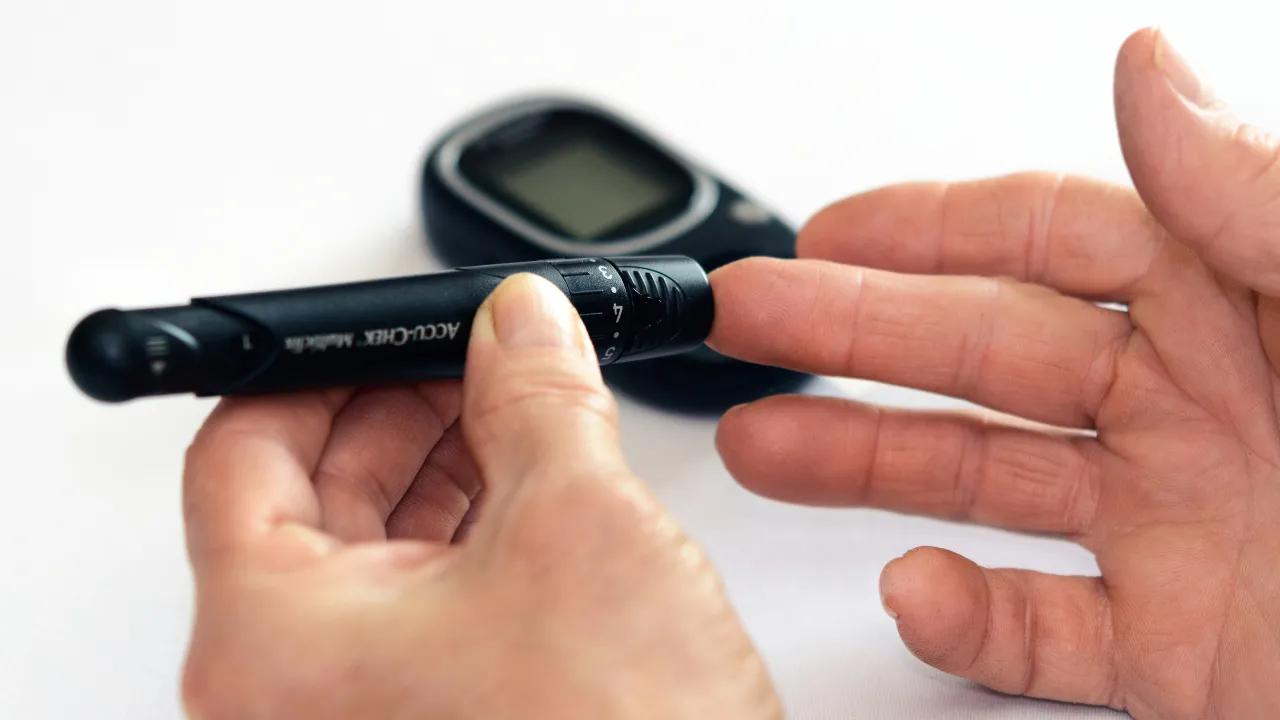
Discover how diabetes contributes to musculoskeletal pain — from stiff joints to chronic back pain — and learn evidence-based strategies to manage it with Unpain Clinic’s expert care.
Key takeaways
- Diabetes raises the risk of musculoskeletal pain in the back, joints, muscles, and soft tissues, often in places that do not match any obvious injury.
- It is common. Research suggests roughly 58 percent of people with diabetes experience a musculoskeletal disorder, most often in the hand and shoulder.
- High blood sugar, reduced circulation, nerve changes, extra joint load, and stiffer connective tissue all contribute, which is why the pain can be stubborn.
- Diabetes is strongly linked to frozen shoulder, hand tendon problems, and osteoarthritis, among others.
- The pain is treatable, and staying active is part of the answer, not something to avoid. This is general information, so coordinate diabetes care with your doctor.
In this article
- Can diabetes cause musculoskeletal pain?
- Why does diabetes cause muscle and joint pain?
- Which conditions is diabetes linked to?
- Why does the pain keep coming back?
- Can musculoskeletal pain improve if I have diabetes?
- How does Unpain Clinic help?
- What can you do at home now?
- When should you seek help sooner?
- Frequently asked questions
If you have diabetes and you are noticing aches in your back, shoulders, hips, or limbs that do not seem to come from any injury, you are not imagining it, and you are not alone. This kind of pain is called musculoskeletal pain, meaning it comes from your bones, joints, muscles, tendons, or ligaments. In people with diabetes it is common, often overlooked, and very treatable once the causes are understood. This article is general information and not a substitute for medical advice, so keep your diabetes care coordinated with your doctor.
Can diabetes cause musculoskeletal pain?
Yes. Diabetes clearly raises the likelihood of musculoskeletal pain, and the research is consistent on this. A systematic review of 21 studies found that roughly 58 percent of people with diabetes had a musculoskeletal disorder, with the hand and shoulder being the most commonly affected areas [1].
The pattern shows up in large population studies too. A study of Danish adults found that people with diabetes had higher odds of back, limb, and shoulder or neck pain, as well as osteoarthritis [2]. And a Taiwanese cohort study found that adults with type 2 diabetes had a higher rate of musculoskeletal pain over time than people without diabetes, with limb pain showing the biggest difference [3].
So if you hurt in places you feel you shouldn't, there is often a real, physical reason. Your pain is not just in your head, and understanding where it comes from is the first step to doing something about it.

Why does diabetes cause muscle and joint pain?
Diabetes contributes to musculoskeletal pain through several overlapping routes, which is part of why the pain can be so persistent. Knowing them helps explain why a whole-body approach works better than treating one sore spot.
The main threads are metabolic and circulatory. Over time, high blood sugar promotes changes that stiffen connective tissue and slow tissue repair. Reduced circulation and damage to small blood vessels leave joints and soft tissues less healthy and more vulnerable. Nerve changes, or neuropathy, can alter sensation and pain and cause other muscles to compensate. Carrying extra weight, which is common with type 2 diabetes, adds load to the joints, and a more sedentary routine reduces strength and mobility.
Together, these create a body that is more prone to pain and slower to recover. That combination is why a short-lived strain in someone with diabetes can turn into a lingering problem, and why supporting the whole system, not just the painful area, tends to help most.

Which conditions is diabetes linked to?
Diabetes is linked to a recognizable set of musculoskeletal conditions, and knowing them helps you and your clinician spot what is going on. Because the hand and shoulder are the most affected regions, several of the most common problems show up there.
Frozen shoulder, which causes shoulder pain and stiffness, is a standout. A 2023 review found that people with diabetes were about 3.7 times as likely to develop frozen shoulder as those without [4]. Hand and finger conditions are also common, including carpal tunnel symptoms, trigger finger, and limited joint mobility in the fingers, sometimes called diabetic cheiroarthropathy, where the joints lose some of their normal flexibility.
Beyond the hand and shoulder, diabetes is associated with knee and joint osteoarthritis, which our guide to relief for knee osteoarthritis covers in depth, as well as reduced bone density and, through nerve involvement, diabetic neuropathy that can send burning or tingling pain into the limbs. Rotator cuff and shoulder pain rounds out the common list. If any of these sound familiar, they are treatable, and identifying the right one shapes the plan.
Why does the pain keep coming back?
Diabetes-related musculoskeletal pain tends to return when only the symptom is treated while the underlying environment stays the same. A joint or tendon can be settled with rest or a pill, but if blood sugar, circulation, and tissue health have not been supported, the tissue stays vulnerable and the pain comes back.
Two other cycles keep it going. Compensation is one: when one area hurts, you move differently to protect it, and other muscles overwork and start to hurt. Inactivity is the other: pain makes movement harder, and less movement further weakens muscles, stiffens joints, and can make blood sugar harder to manage. Breaking these cycles, gently and consistently, is what turns things around.
Can musculoskeletal pain improve if I have diabetes?
Yes, in many cases it can improve meaningfully, and staying active is a key part of that. This is one of the most encouraging findings in the research: in the Danish study, people with diabetes who were more physically active reported less pain, and the authors stressed that musculoskeletal pain and arthritis are not reasons to avoid exercise [2].
The timeline may be a little longer than for someone without diabetes, because glycaemic ups and downs and reduced circulation can slow healing, so consistency matters. Starting early helps too, since treating musculoskeletal pain sooner supports staying active and, in turn, better blood sugar control [3]. The most effective approach addresses the whole picture: the tissue and the movement, supported by good diabetes care from your medical team.
How does Unpain Clinic help?
We help by treating the musculoskeletal pain itself while looking at the whole body and coordinating with your medical team on the diabetes side. To be clear, we treat the pain and movement, not the diabetes, and we work alongside your doctor or endocrinologist, who manage your blood sugar. It starts with a thorough 60 minute, one-on-one assessment of posture, movement, and how your body is compensating. A common pattern we see is long-standing low back and hip stiffness with weak glutes, where the hips and back have been overloading each other for years.

From there, a plan usually combines several of the following:
- Hands-on care. Our physiotherapy, chiropractic care, and massage therapy restore joint motion and release the tight, stiff tissue that diabetes can promote, so you move with better mechanics.
- Focused shockwave therapy. For chronic tendon problems, stiff fascia, and scar-related tightness, which can be more stubborn when tissue repair is impaired, focused shockwave therapy can support healing as part of the plan.
- EMTT and neuromodulation. Because diabetes often involves nerve changes, we may use EMTT and NESA neuromodulation to help settle irritated pain signalling.
- Movement and strength. We build a gradual, tailored exercise plan to improve strength, flexibility, and mobility, since movement is both treatment and prevention here.
- Coordinated, whole-person care. We keep your goals and your diabetes context front and centre, and coordinate with your broader healthcare team as needed.
We are honest that nothing is guaranteed, and that recovery can take a little longer with diabetes, but an evidence-informed, whole-body plan offers a strong chance of meaningful improvement.
What can you do at home now?
A few consistent habits can help a lot between visits. These are general suggestions, so check with your provider before starting new exercise, especially with diabetes.

- Move most days. A brisk 20 to 30 minute walk supports circulation, blood sugar, and tissue health all at once, and it is gentle on the joints.
- Do simple strengthening and mobility. Glute bridges wake up the muscles that protect the low back, and gentle cat-camel spinal movements ease stiffness. A few slow repetitions is a good start.
- Break up sitting. Change position and move for a minute or two every 30 to 45 minutes, since long static postures stiffen joints and tissues.
- Support recovery. Aim for good sleep, since poor sleep increases pain sensitivity, stay hydrated, and get enough protein to support tissue repair.
- Track patterns. A short pain-and-activity journal, noting when pain is worse, can reveal links to inactivity, prolonged sitting, or blood sugar swings, which helps you and your clinician.
Once you are moving well, our guide to injury prevention can help you stay resilient. If you are unsure whether it is time to be seen, our guide to when to see a physiotherapist can help.
When should you seek help sooner?
Some symptoms warrant a prompt professional evaluation rather than waiting. See a clinician sooner if you have new or worsening numbness, tingling, or weakness, any change in your balance or the way you walk, or pain that stops you from walking or standing and is not easing with home care. Sudden musculoskeletal pain after a high blood sugar episode, or any signs of infection such as redness, heat, and fever, also deserve prompt attention. When in doubt, get it checked, since nerve and circulation issues do better when addressed early.
Frequently asked questions
Can diabetes cause back pain?
Yes, usually indirectly. Diabetes is linked to higher rates of back pain through nerve changes, stiffer tissue, reduced circulation, and extra load on the spine, rather than directly damaging the back. Managing blood sugar, staying active, and addressing hip and core strength all tend to help. If back pain comes with numbness, tingling, or weakness, it is worth having it assessed.
Can diabetes cause joint pain?
Yes. Diabetes is associated with higher rates of joint pain and osteoarthritis, partly through connective tissue changes and partly through the extra joint load that often comes with it. Nearly half of adults with diabetes also have some form of arthritis. Targeted exercise, weight management, and hands-on care can meaningfully reduce joint pain.
Does diabetes cause muscle pain or weakness?
It can. Nerve changes, reduced circulation, and a faster loss of muscle mass and strength than usual can all contribute to muscle aches and weakness in diabetes. Strengthening exercise is the most effective response, and it helps blood sugar too. Persistent or one-sided weakness should be assessed.
Why does diabetes cause frozen shoulder?
Diabetes appears to make the shoulder capsule more prone to the stiffening and inflammation behind frozen shoulder, and people with diabetes are about 3.7 times as likely to develop it. It causes pain and a marked loss of shoulder movement, often building gradually. Early hands-on care and guided movement can help you regain range and comfort.
Does having diabetes always mean I will get musculoskeletal pain?
No. Diabetes raises the risk of musculoskeletal pain, but it does not guarantee it. The research shows higher likelihood, not inevitability, and good blood sugar control, regular movement, and strength work all lower your risk.
Can musculoskeletal pain go away in someone with diabetes?
Often, yes, with a consistent, targeted approach. Because diabetes can slow healing, the timeline may be longer and consistency matters more, but many people see meaningful improvement by combining movement, hands-on care, and good diabetes management. Staying active is part of the solution, not a risk to avoid.
What is amplified musculoskeletal pain syndrome?
It refers to pain that is out of proportion to the visible tissue damage, usually because the nervous system has become oversensitive. In diabetes, impaired healing, nerve involvement, and altered mechanics can all contribute to this amplification. Calming the nervous system and restoring normal movement are central to settling it.
“I brought my daughter who is 8 years old to see Lacina Barsalou. She is a Chiropractor at the Unpain Clinic in Summerside, Edmonton. She was an absolute pleasure to work with. She was informative, gentle and very kind. She educated us through each section of her assessment and treatment. I highly recommend Lacina for any of your Chiropractic needs! Thank you Lacina 🫶🌹🙏🏻”- Medi Pedi Canada
About the author
Written by Uran Berisha, Founder of Unpain Clinic and Medical Shockwave Institute. Uran has a Bachelor of Science in Physiotherapy and is an International Educator in Shockwave Therapy.
Medically reviewed by Uran Berisha.
Ready to understand your pain?
If you have diabetes and pain that will not settle, the next step is a one-on-one assessment where we find what is driving it and build you a clear, whole-body plan, coordinated with your medical team. Your first visit is 60 minutes, assessment only, and includes:
- A full history and a look at your goals
- Head-to-toe orthopedic and movement testing
- A plain-language explanation of what is driving your pain
- A personalized recovery roadmap
No referral needed. No pressure, no contracts. If we do not think this approach is a good fit for you, we will tell you honestly. Book your initial assessment and let's find out why it hurts and what to do about it.
References
- Kaka B, Maharaj SS, Fatoye F. Prevalence of musculoskeletal disorders in patients with diabetes mellitus: a systematic review and meta-analysis. Journal of Back and Musculoskeletal Rehabilitation. 2019;32(2):223-235. https://doi.org/10.3233/BMR-171086
- Rehling T, Bjorkman AD, Andersen MB, Ekholm O, Molsted S. Diabetes is associated with musculoskeletal pain, osteoarthritis, osteoporosis, and rheumatoid arthritis. Journal of Diabetes Research. 2019;2019:6324348. https://doi.org/10.1155/2019/6324348
- Pai LW, Hung CT, Li SF, Chen LL, Chung YC, Liu HL. Musculoskeletal pain in people with and without type 2 diabetes in Taiwan: a population-based, retrospective cohort study. BMC Musculoskeletal Disorders. 2015;16:364. https://doi.org/10.1186/s12891-015-0819-4
- Dyer BP, Rathod-Mistry T, Burton C, van der Windt D, Bucknall M. Diabetes as a risk factor for the onset of frozen shoulder: a systematic review and meta-analysis. BMJ Open. 2023;13(1):e062377. https://doi.org/10.1136/bmjopen-2022-062377
Related Topics