Shorter days and cold weather can trigger SI joint pain. Learn why winter worsens sacroiliac joint dysfunction and discover daily habits for lasting relief.
Key takeaways
- Sacroiliac (SI) joint pain often flares in November as the days shorten, we move less, and we sit more.
- The main triggers are the winter slump in activity, more sitting and slouched posture, and tighter muscles, rather than the cold acting on the joint directly.
- The SI joints are an underrecognized source of back pain, involved in roughly 15 to 30 percent of chronic low back pain cases.
- Daily habits make a real difference: move often, keep the core and glutes strong, use heat, and mind your posture.
- Most SI joint pain responds well to the right mix of treatment and self-care, so it does not have to return every winter.
In this article
- What is sacroiliac (SI) joint dysfunction?
- Why does SI joint pain flare in November?
- Does cold weather really trigger SI joint pain?
- What does the research say about treatment?
- How does Unpain Clinic treat SI joint dysfunction?
- What can you do daily at home?
- When should you see a professional?
- Frequently asked questions
If your sacroiliac joint pain seems to flare every November, you are not alone. As the days grow shorter and colder, many people fall into a slump: more couch time, less walking, and stiffer muscles. For your SI joints, the small but important joints that connect your spine to your pelvis, that shift can turn a quiet, manageable ache into a sharp, nagging pain in the lower back and buttock. The good news is that the main triggers are within your control, and a few daily habits can make a big difference. The same seasonal pattern shows up with sciatica and facet joint pain, which we cover in companion guides.
What is sacroiliac (SI) joint dysfunction?
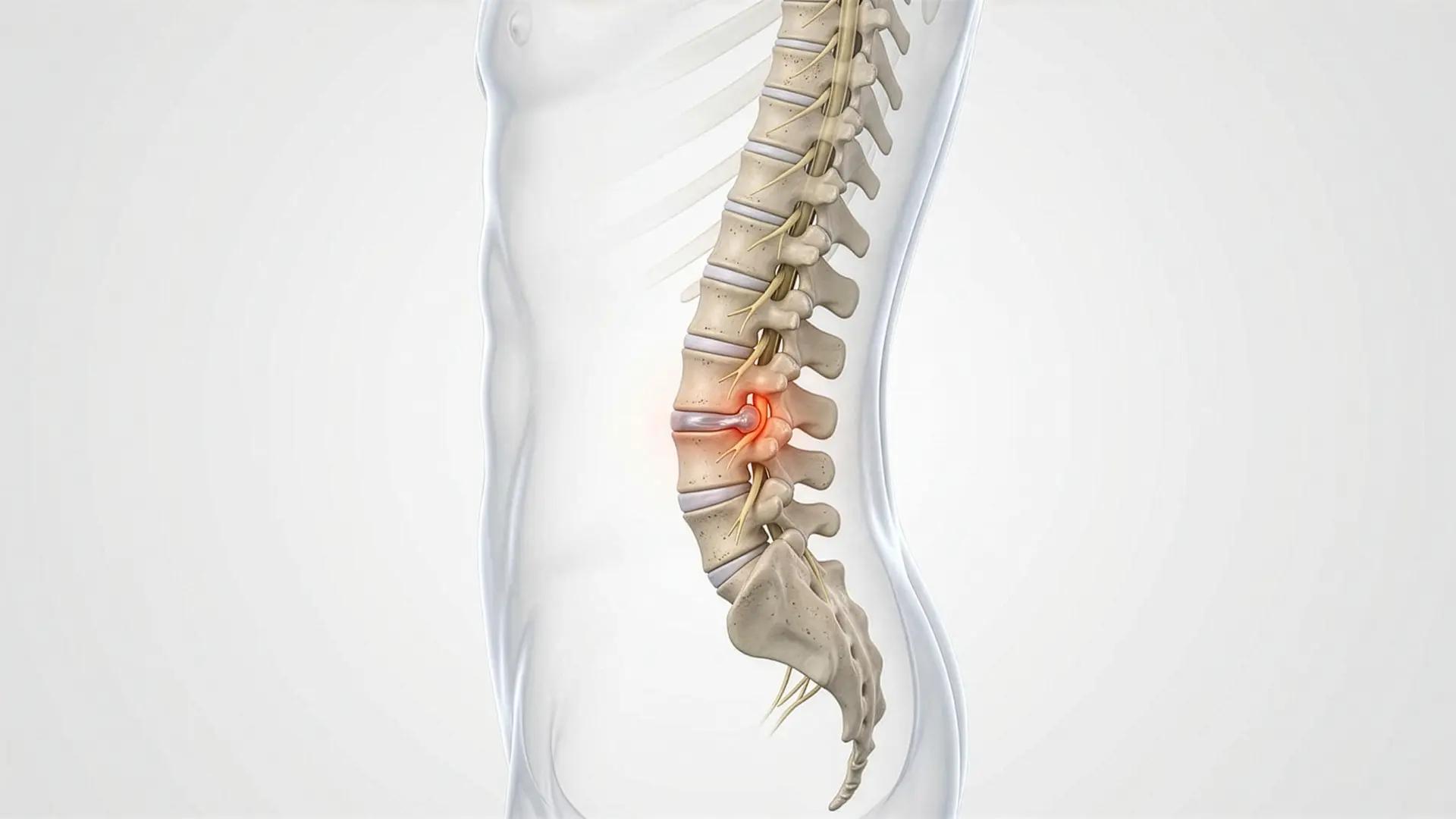
Sacroiliac joint dysfunction is pain from the SI joints, the two joints where the base of your spine meets your pelvis. These joints are built to bear and transfer load between your torso and legs, so when they become irritated or move poorly, they can produce a deep ache or sharp pain in the lower back, buttock, and sometimes the upper thigh.
The pain has a recognizable pattern. It is usually felt on one side, low and off-centre near the dimple of the buttock, and it tends to flare with going from sitting to standing, climbing stairs, or rolling over in bed. It generally does not travel below the knee, which helps separate it from nerve pain.
It is more common than many people realize. The SI joints are thought to be the main source of pain in roughly 15 to 30 percent of chronic low back pain cases, yet they are often missed because they do not always show up clearly on scans and need a skilled physical exam to identify [2]. If your "low back pain" has lingered despite treatments aimed at discs or muscles, the SI joint is worth checking.

Why does SI joint pain flare in November?
SI joint pain flares in late fall mainly because of how our routines change, not because winter creates a new problem. As daylight fades and it gets cold, most of us move less, sit more, and tense up, and all three quietly load the SI joints.
Less movement is the biggest driver. When you sit for long stretches and skip your usual walks, the muscles that stabilize the pelvis, especially the glutes and deep core, weaken and switch off, while tight hip flexors and hamstrings tug on the pelvis. That combination leaves the SI joints with less support and more strain. More sitting and slouched winter posture add sustained pressure, and holiday stress can keep the lower back and hip muscles clenched, which compresses the joints further.
Often, winter simply unmasks a weak link that was already there. In summer, staying active and loose can paper over a mild pelvic imbalance, an old injury, or weak core muscles. When the activity drops, those vulnerabilities surface, and the SI joint, sitting at the crossroads of your torso and legs, tends to take the brunt. That is why an ache you ignored in August can become a sharp pain by December.
Does cold weather really trigger SI joint pain?
Cold weather plays a role, but it is better understood as something that amplifies existing pain rather than causes it. Cold can tighten muscles, reduce circulation, and make tissues feel stiffer and less springy, which can dial up pain if your SI joint is already irritated. Many people genuinely feel the cold in their back, and that experience is real.
The research on cold is suggestive but modest. A prospective study of nearly 3,800 workers in northern Sweden found that those with high cold exposure were about 1.6 times as likely to develop low back pain over time [3], and a scoping review concluded that cold exposure appears to raise the risk of musculoskeletal pain, though effects vary from person to person [4].
The practical point is that your habits matter more than the forecast. Not everyone is equally weather-sensitive, and the winter drop in activity and the rise in sitting are usually bigger drivers than the temperature itself. That is encouraging, because staying warm, active, and upright are all things you can do something about.

What does the research say about treatment?
The research supports an active, hands-on, whole-body approach, and it points to several tools that help. A few findings stand out.
Exercise and manual therapy work well together. Combining core and glute strengthening with hands-on joint mobilization tends to improve SI joint pain and function more than either approach alone [1]. This is why rebuilding stability, rather than resting, is central to lasting relief.
Shockwave therapy has direct trial support for the SI joint. A randomized, sham-controlled trial found that shockwave therapy significantly reduced sacroiliac joint pain at four weeks compared with a placebo treatment [5]. It was a small, short-term study, so it is best seen as promising support for shockwave as one part of a plan.
Vitamin D may be worth checking, modestly. A meta-analysis found that low vitamin D levels were associated with chronic low back pain, particularly in women [6]. Winter means less sunlight and lower vitamin D for many people, so it can be worth checking your level with your doctor, though supplements are not a guaranteed fix and the trial evidence is mixed.
Taken together, the evidence favours restoring movement and strength, calming the joint and surrounding muscles, and addressing the winter habits feeding the flare.
How does Unpain Clinic treat SI joint dysfunction?
We treat SI joint dysfunction by finding why the joint is irritated, calming it, and rebuilding the support around the pelvis, rather than only easing the pain for a day. It starts with a thorough 60 minute, one-on-one assessment of your pelvis, hips, core and glute strength, and movement, using specific tests to confirm the SI joint is the pain source. A common winter pattern we see is weak glutes and deep core, tight hips, and a slight pelvic imbalance after a sedentary stretch. Sometimes an old abdominal scar, such as from a past surgery, can quietly inhibit the core muscles and add to SI instability, which we look for too.

From there, a plan usually combines several of the following:
- Manual therapy and mobilization. Our physiotherapy, chiropractic care, and massage therapy restore SI joint motion and release the tight muscles, such as the piriformis and hip flexors, that pull on the pelvis.
- Focused shockwave therapy. For stubborn cases, focused shockwave therapy applied around the SI ligaments and gluteal attachments can reduce pain and support healing, with direct trial support for the SI joint.
- EMTT and neuromodulation. To calm inflammation and an oversensitive pain response, we may use EMTT and NESA neuromodulation, and dry needling for deep gluteal trigger points.
- Targeted exercise. We rebuild glute activation, deep core control, and hip mobility, since this is what stabilizes the SI joints and prevents the next flare.
- Posture, ergonomics, and support. We coach your sitting setup, lifting, and sleep positions, and in some cases, such as an unstable or postpartum pelvis, an SI support belt can help stabilize the joints during healing.
We are honest that recovery takes consistency and that individual results vary, and we track your progress and adjust. For severe or stubborn cases, we coordinate with your physician, who may consider options like an image-guided injection, while we focus on the rehabilitation that makes relief last.
What can you do daily at home?
Daily habits are where a lot of the progress happens, especially in winter. Keep everything within a comfortable range and ease off anything that causes sharp pain.

- Take movement micro-breaks. Set a timer to stand and move every 30 to 60 minutes. Even a two-minute walk or a few gentle stretches resets your posture and keeps the joints from stiffening.
- Do gentle pelvic tilts. Lying on your back with knees bent, gently flatten your lower back and tip your pelvis, hold briefly, and release, for 10 to 15 slow repetitions. This mobilizes the area and wakes up the deep core.
- Stretch your hips. A gentle kneeling hip flexor stretch and a figure-four piriformis stretch, held about 30 seconds each side, ease the tension that pulls on the SI joints. Warm up first, or stretch after a hot shower.
- Activate glutes and core. Glute bridges and bird-dogs, done daily, build the stability that protects the SI joints. A few slow, controlled repetitions with good form beats many rushed ones.
- Use heat for stiffness. A heating pad on the lower back for about 15 minutes loosens tight muscles and improves blood flow, and it works especially well before your stretches or exercises.
- Support your posture and sleep. Sit with lower back support and level hips, hinge at the hips to lift, avoid always leaning on one leg, and place a pillow between your knees when sleeping on your side. Our guide to home office ergonomics has more.
Because winter stress can add to muscle tension, our guide to managing holiday stress can help too.
When should you see a professional?
Most SI joint pain settles with the right care, but some symptoms deserve a prompt assessment. See a professional if your pain is severe, keeps returning each winter, or is not improving with daily self-care. Pain that starts radiating down the leg, or comes with numbness, tingling, or weakness, suggests nerve involvement and should be checked, since that points beyond the SI joint toward nerve-related back pain.
A few symptoms are a medical emergency. Loss of control of your bladder or bowels, numbness in the saddle area between the legs, or sudden significant weakness in the legs needs immediate emergency care. When in doubt, get checked, since back and nerve problems respond best when addressed early.
Frequently asked questions
Why does my SI joint pain get worse in winter?
Mostly because winter changes our routines. We move less, sit more, and hunch against the cold, which weakens the muscles that support the pelvis and adds strain to the SI joints, while cold can make muscles tighter and stiffer on top of that. The weather amplifies pain more than it causes it, so staying active, warm, and upright makes a real difference.
Is it safe to exercise with sacroiliac joint dysfunction?
Yes, and it usually helps. Gentle, targeted exercise strengthens the core and glutes that stabilize the SI joints, which reduces pain over time, so resting for long periods tends to make things worse. Stick to pain-free movements like core stabilization, walking, or swimming, and avoid heavy lifting or twisting during a flare. A physiotherapist can tailor a safe plan and check your form.
Should I use heat or ice for SI joint pain?
For chronic SI joint pain and winter flares, heat is usually more helpful. It relaxes tight muscles, improves blood flow, and eases that deep achy stiffness, especially before stretching or exercise. Ice is better for a sudden flare with inflammation. Many people warm up with heat and use a brief ice pack afterward only if there is soreness.
How do I know if my low back pain is from the SI joint?
SI joint pain is usually felt on one side, low and near the buttock dimple, and it flares with sitting to standing, stairs, or rolling in bed, typically without traveling below the knee. Pressing on the joint often reproduces it. Because it overlaps with disc and nerve pain, a clinical exam with specific SI provocation tests is the reliable way to confirm it.
Can SI joint dysfunction cause leg pain or feel like sciatica?
It can refer pain into the buttock, groin, or upper thigh, but it is usually not true sciatica. True sciatica shoots down the leg past the knee, often with numbness or tingling, while SI-related leg pain tends to stay higher and vaguer. Because they can be confused, an accurate diagnosis matters, and treating the SI joint often relieves the referred leg pain.
Will my SI joint pain ever go away?
For most people, yes, it improves significantly or resolves with the right approach. The SI joints want to be stable, so correcting the underlying drivers, such as weak muscles, tight hips, or poor movement patterns, usually brings lasting relief. Recovery takes some weeks of consistent rehab, and occasional flares can happen, but they become easier to manage as you build stability.
“I went to see Uran Barisha with lower back pain that I have dealt with for years. After 3 Flashwave and shockwave treatments I feel that I am on the road to recovery with a huge reduction in pain. It has only been 3 weeks of treatment with my last treatment today. Time will tell whether the treatments provide me with a longer term fix but so far so good. The clinic is new and inviting and Uran is very knowledgeable and professional.”- Rod MacKenzie
About the author
Written by Uran Berisha, Founder of Unpain Clinic and Medical Shockwave Institute. Uran has a Bachelor of Science in Physiotherapy and is an International Educator in Shockwave Therapy.
Medically reviewed by Uran Berisha.
Ready to break the winter pain cycle?
If your SI joints flare every cold season, the next step is a one-on-one assessment where we find why the joint is irritated and build you a clear plan to settle it and keep it settled. Your first visit is 60 minutes, assessment only, and includes:
- A full history and a look at your goals
- Head-to-toe orthopedic and movement testing, including SI joint provocation tests
- A plain-language explanation of what is driving your pain
- A personalized recovery and daily-habit roadmap
No referral needed. No pressure, no contracts. If we do not think this approach is a good fit for you, we will tell you honestly. Book your initial assessment and let's help you move through winter with confidence.
References
- Yan H, Zhao P, Guo X, Zhou X. The effects of core stability exercises and Mulligan's mobilization with movement techniques on sacroiliac joint dysfunction. Frontiers in Physiology. 2024;14:1337754. (Kept from source; confirm exact citation, see FLAG 6.)
- Bozzo I, Malz B. Finite element study of sitting configurations to reduce sacroiliac joint loads. McGill Journal of Medicine. 2020;18(1). (Kept from source.)
- Lewis C, Stjernbrandt A, Wahlstrom J. The association between cold exposure and musculoskeletal disorders: a prospective population-based study. International Archives of Occupational and Environmental Health. 2023;96(4):565-575. https://doi.org/10.1007/s00420-022-01949-2
- Farbu EH, et al. Cold exposure and musculoskeletal conditions: a scoping review. 2022. (Kept from source; confirm exact citation, see FLAG 6.)
- Moon YE, Seok H, Kim SH, Lee SY, Yeo JH. Extracorporeal shock wave therapy for sacroiliac joint pain: a prospective, randomized, sham-controlled short-term trial. Journal of Back and Musculoskeletal Rehabilitation. 2017;30(4):779-784. https://doi.org/10.3233/BMR-150405
- Zadro J, Shirley D, Ferreira M, Carvalho-Silva AP, Lamb SE, Cooper C, Ferreira PH. Mapping the association between vitamin D and low back pain: a systematic review and meta-analysis of observational studies. Pain Physician. 2017;20(7):611-640. (Kept from source; verify DOI before linking.)
- Unpain Clinic Podcast, Episode 13: How chronic back pain stopped when a C-section was treated. https://unpainclinic.com/en/podcast/ (Confirm episode slug, see FLAG 5.)
- Unpain Clinic. Back pain in winter: how to prevent it. https://unpainclinic.com/en/articles/ (Confirm article slug, see FLAG 4.)
Related Topics