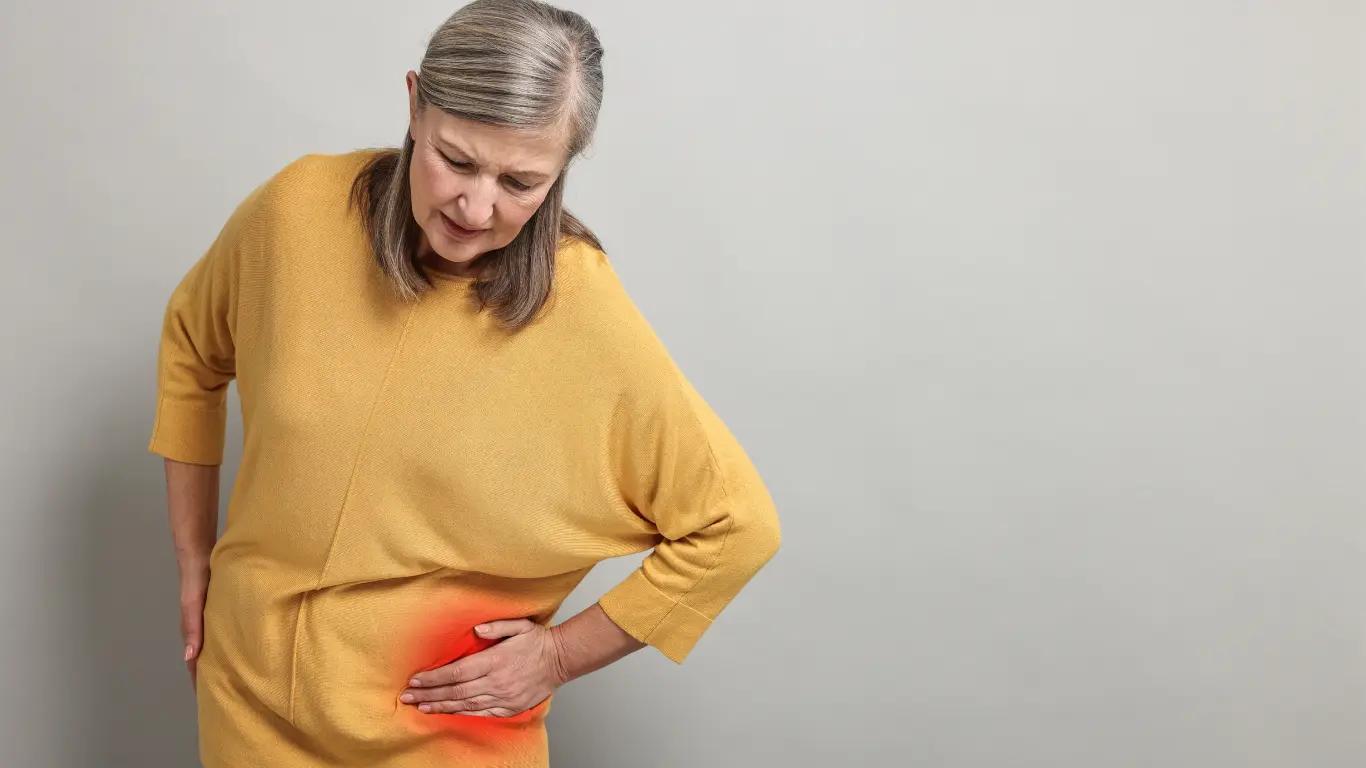
Hip pain can come from arthritis, bursitis, tendons, or nerves. Learn common causes, safe at-home tips, and treatment options at Unpain Clinic.
Key takeaways
- Hip pain almost always has a reason. It is rarely just aging, and it is usually a sign that something in how you move is off balance.
- Where you feel it is a clue. Groin pain often points to the joint, outer hip pain to the tendons and bursa, and pain that shoots down the leg to a nerve.
- The most common causes are hip arthritis, outer-hip tendon and bursa problems, muscle strains, and pain referred from the lower back.
- Painkillers and cortisone can mask hip pain, but the relief fades if the real driver, like weak glutes or an old scar, is never addressed.
- Most hip pain improves without surgery. At Unpain Clinic in Edmonton, we find why the hip is overloaded and treat the cause with exercise, hands-on care, and therapies like shockwave, EMTT, and neuromodulation.
In this article: what your hip pain is telling you, where you feel each cause, why it lingers, what the research shows, how we treat it, what you can do at home, and answers to the questions we hear most.
Do you wake up with a stiff, aching hip that slows you down? If you keep asking, "Why does my hip hurt?", you are not alone. Think of your hip as your body's transmission. It connects your upper and lower halves and transfers power from your core to your legs, so when that link stops working smoothly, everyday movement gets frustrating fast.
Here is the good news. Hip pain is not something you just have to live with. Once you understand what is causing it, you can usually get back to moving comfortably, and most people never need surgery to do it. This guide breaks down the common causes, what the research says works, and how we treat the root of the problem at Unpain Clinic.
This is general information, not a substitute for a professional assessment or medical advice. Results vary from person to person.
Why does my hip hurt? The most common causes
Hip pain can come from the joint itself, from the muscles and tendons around it, or from a nerve, and it can arrive suddenly after an injury or creep in slowly over months. The most frequent culprits are wear-and-tear arthritis, tendon and bursa problems on the outer hip, muscle strains, and nerve pain referred from the lower back.
To put the scale in perspective, one common outer-hip tendon problem, greater trochanteric pain syndrome, affects roughly 17 out of every 100 adults between 50 and 79, and it is more common in women [1]. Hip arthritis is common with age too. But common does not mean inevitable, and it does not mean nothing can be done.
Here is what usually sits behind the pain:
- Hip osteoarthritis. Wear-and-tear damage to the cartilage inside the joint, causing deep, aching pain and stiffness, most often in older adults. Our guide to hip osteoarthritis goes deeper.
- Bursitis and gluteal tendinopathy. Irritation of the fluid sacs and tendons on the outer hip, together called greater trochanteric pain syndrome. This is hip bursitis and gluteal tendinopathy, and it often hurts to lie on that side.
- Tendon and muscle strains. Overuse or a strain of the hip flexor at the front, or the hamstrings and glutes at the back.
- Labral tears and impingement. Damage to the cartilage rim inside the joint or a hip impingement, common in athletes, causing groin pain, clicking, or a locking feeling. See labral-related hip pain.
- Referred nerve pain. Sometimes the hip is not the source at all. A pinched nerve in the lower back, or sciatica, and piriformis syndrome can send pain into the buttock and down the leg.
- Less common causes include rheumatoid arthritis, a stress fracture in the thigh bone, or loss of blood supply to the hip bone, called avascular necrosis.

Where you feel hip pain tells you a lot
The location of your pain is one of the best clues to its cause, so pay attention to exactly where it sits. It is a simple habit that helps your clinician zero in fast.
- Groin or front of the hip usually points to the joint itself, such as hip arthritis or a labral issue. This deep, aching pain often worsens with walking, squatting, or twisting.
- Outer hip, over the bony point is the classic pattern for bursitis and gluteal tendon pain. It is often tender to touch and flares when you lie on that side or climb stairs.
- Back of the hip or buttock tends to come from the piriformis and gluteal muscles, or from the lower back. If it travels down the leg, a nerve is often involved.
- Pain that radiates down the leg, especially with tingling or numbness, usually means nerve irritation such as sciatica rather than a pure hip problem.
When pain crosses these zones, involves numbness, or reaches into your lower back, a thorough exam is the way to pinpoint the real source.

Why does my hip hurt if I did not injure it?
If your hip started aching for no clear reason, the cause is usually a slow build-up of imbalance rather than a single injury. This is what clinicians call non-traumatic hip pain, and it is extremely common.
Sitting is a big driver. Hours in a chair weaken your gluteal muscles and tighten your hip flexors, which forces the hip joint to absorb stress it was not designed for. Over months and years, that imbalance wears on the joint and shows up as pain.
Old injuries leave a mark too. Even something unrelated, like an old ankle sprain, an appendectomy, or a C-section, can quietly change how you move. Other muscles compensate, and years of uneven loading eventually irritate the hip.
In other words, your hip pain is usually a symptom of a bigger movement problem, not the joint simply going bad on its own. That is actually good news, because the drivers, weak muscles, tight tissue, and old scar tissue, can be changed.
Why does hip pain keep coming back?
Hip pain keeps returning when a treatment masks the symptom without fixing the cause. A painkiller or a cortisone shot can quiet things for a few weeks, but if the muscle imbalance or joint dysfunction underneath is still there, the ache comes back, and it can even spread to the other hip or the low back.
Real, lasting relief works the other way around. It starts by finding why the hip hurts, the weak glutes, the tight hip flexors, the old scar tissue limiting movement, and then treating those directly. Get the cause right, and the pain has a reason to stay gone.

What does the research say about treating hip pain?
The research points clearly toward a comprehensive, root-cause approach: stay active with the right exercises, add targeted therapies when needed, and treat the whole movement chain rather than just the sore spot. Resting or relying on pills alone rarely lasts.
Exercise is first-line, and it works. A 2024 review of people with lateral hip pain found that structured exercise significantly reduced pain and improved function over the long term, with better overall improvement than cortisone injections [2]. Strengthening the right muscles genuinely changes the outcome.
Shockwave therapy has real evidence for stubborn hip pain. A 2024 meta-analysis of eight trials in greater trochanteric pain syndrome found that shockwave therapy improved pain and function compared with other treatments, and focused shockwave was particularly effective [1]. It is a promising alternative or complement to injections and exercise when pain will not settle, and you can read more in our guide to shockwave therapy for persistent hip pain.
EMTT can calm arthritic joints. A 2022 systematic review found that pulsed electromagnetic field therapy, the family that EMTT belongs to, provided short-term relief of pain and stiffness in osteoarthritis, with better joint function and minimal side effects, though study quality varied [3].
Neuromodulation targets the nerve side of pain. When pain has lasted a long time, the nervous system can stay stuck on high alert. Gentle microcurrent approaches like NESA are increasingly used to calm overactive pain pathways and rebalance the nervous system [4], and reviews of microcurrent stimulation report growing success in chronic pain [5].
Combining hands-on care with exercise beats either alone. Guidelines for hip osteoarthritis emphasize that manual therapy plus exercise gives the best results for pain and mobility. Treating the joint, the muscles, the nerves, and the movement pattern together consistently outperforms any single approach.

How does Unpain Clinic treat hip pain?
At Unpain Clinic in Edmonton, we do not just ask where it hurts. We find out why it hurts, then treat the cause with a whole-body plan. Because the hip is a weight-bearing joint, its pain is often driven by problems above or below it, like a stiff lower back, a tilted pelvis, or an old surgical scar. Fixing those is what makes relief last.

Shockwave therapy. Focused shockwave therapy sends high-energy sound waves into injured tissue to jump-start healing. It breaks down scar tissue and adhesions, boosts blood flow, and prompts new collagen growth, which is exactly what a scarred, poorly healing tendon or bursa needs. Focused shockwave reaches deep into the hip region to target the exact spot, and most people feel it as a strong tapping. There are no needles and no downtime, just mild soreness for a day or so, and a typical course runs three to five sessions. Learn more about how shockwave therapy works.
EMTT. EMTT uses pulsing magnetic fields to reduce inflammation and support cellular repair, and you feel little or nothing during it. We often pair it with shockwave in the same visit: shockwave breaks up scar tissue and triggers regeneration, and EMTT follows up by calming the inflammation. It is a useful choice when an arthritic hip or bursitis is flaring.
Neuromodulation. When chronic pain has left the nervous system hypersensitive, NESA neuromodulation delivers gentle microcurrent to help reset overactive pain nerves and improve muscle firing, for example helping the glutes switch back on. Many people find they can then stretch and exercise with far less pain.
Hands-on care and exercise. Our physiotherapy, chiropractic care, and massage therapy free up a stiff joint, release tight hip flexors and thigh muscles, and settle the pelvis and lower back so the hip stops compensating. Then we rebuild. We coach the glutes, core, and thigh muscles with moves like clamshells, bridges, and band walks, tailored to your level, so once you are pain-free, you stay that way. Our episode on the hidden connection between your hips and the rest of your body digs into why this whole-body view matters.
As one representative example, a client came to us with years of front-of-hip and low back pain that rest, medication, and standard physiotherapy had not fixed. Our assessment found weak glutes and core, a slightly tilted pelvis, and scar tissue from an old abdominal surgery limiting hip mobility. We used focused shockwave around the hip flexor and scar, added EMTT to calm the joint and spine, corrected the pelvis with manual therapy, then rebuilt strength with glute and core work. Over six to eight weeks the pain faded and he was back to long hikes and lifting his toddler without paying for it later. Results vary, but it shows the value of treating the why, not just the where. You can also read our guide to hip osteoarthritis relief.

How do the common hip treatments compare?
The common approaches differ mainly in whether they calm the symptom or fix the cause, and in how long the relief holds. Rest, ice, heat, and anti-inflammatory medication can settle a flare, but the relief is short-lived if the underlying imbalance stays. A cortisone injection can quiet pain for weeks, though it does not strengthen a weak muscle or repair a degenerated tendon, so the effect fades and repeated shots can weaken tissue. A targeted exercise and physiotherapy program builds the strength and control that protect the joint and is essential for lasting change, though on its own it can be slow for stubborn, scarred tissue. Manual therapy and a gentle adjustment can unlock a stiff joint for quick relief, but the change only holds if it is followed by strengthening. Shockwave sits between quick relief and slow rebuilding: it prompts the tissue itself to heal and, in studies of outer-hip pain, improved pain and function where other treatments stalled, which is why we use it to break a case out of a rut. EMTT and neuromodulation support the process by calming inflammation and settling the nerves. Surgery, such as a hip replacement, can address severe joint damage, but it is invasive, needs real recovery time, and does not by itself correct the mechanics that overloaded the joint. The most durable results come from combining the tools that rebuild, exercise and shockwave, while using medication or injections as short-term support and fixing the whole-body mechanics behind the pain.

What can you do at home for hip pain?
What you do between visits makes a real difference. These steps are general and meant to complement professional care, not replace it. Keep everything comfortable, let pain guide you, and check with your clinician before starting new exercises if you have other health conditions.

- Keep moving, and break up sitting. Staying sedentary is one of the worst things for hips. If you sit for work, stand and stretch every 30 to 60 minutes, and keep up low-impact activity like walking, cycling, or swimming to maintain blood flow and fend off stiffness.
- Stretch the key muscle groups. Gently stretch the hip flexors, hamstrings, glutes, and inner thighs, holding each about 30 seconds without bouncing. A kneeling hip flexor stretch counteracts all that sitting, and a figure-four stretch eases deep buttock tension.
- Strengthen your support muscles. Weak glutes overload the hip, so build them with clamshells, glute bridges, and resistance-band side steps, plus chair squats for overall leg strength. Start light, focus on form, and stop anything that causes sharp pain.
- Use heat for tightness and ice for flares. A warm pack for 15 minutes loosens a stiff hip and is great before stretching. If you overdo it and the area is inflamed, ice for 10 to 15 minutes with a cloth against the skin. Some people alternate the two.
- Mind your posture and mechanics. Avoid sitting with your legs crossed for long stretches, lift with your legs rather than bending at the waist, and stand with your weight even rather than hanging on one hip.
- Adjust your sleeping position. Side sleepers often feel better with a pillow between the knees to keep the hips aligned, and back sleepers with a pillow under the knees to ease the lower back and hips.
- Be consistent and patient. Small daily efforts, a short walk, a few stretches, a strengthening set a few times a week, compound into real improvement. Muscle soreness is fine, but sharp joint pain is a signal to stop and check in.
Seek prompt medical attention for red flags such as a sudden inability to bear weight, severe pain after a fall, leg numbness or weakness, or pain with fever and swelling.
Frequently asked questions about hip pain
What are the most common causes of hip pain?
The most common causes are hip osteoarthritis, bursitis and gluteal tendon pain on the outer hip, tendon or muscle strains, and nerve pain referred from the lower back such as sciatica. Labral tears and impingement are common in athletes and cause groin pain and clicking. Where you feel the pain and what triggers it, like walking, sitting, or lying on that side, helps narrow down the cause.
Why does my hip hurt when I have not injured it?
Hip pain without an injury usually builds up gradually from muscle imbalance and movement habits rather than a single event. Long hours of sitting weaken the glutes and tighten the hip flexors, which overloads the joint over time. Old injuries or surgeries can also change how you move, so other areas compensate and eventually irritate the hip. The upside is that these drivers can be corrected.
What causes hip pain that radiates down the leg?
Pain that travels from the hip or buttock down the leg is often nerve-related, most classically sciatica from an irritated nerve in the lower spine, which can bring tingling or numbness. Tight muscles like the piriformis can also refer an achy pain down the leg without tingling. Because there are several causes, it is best to have it assessed, and if you have leg weakness or progressive numbness, seek care promptly.
Should I see a physiotherapist or chiropractor for hip pain?
Both are excellent starting points for hip pain that did not come from a major trauma, and you usually do not need to see a surgeon first. A physiotherapist focuses on exercise rehabilitation, manual therapy, and building strength, while a chiropractor focuses on joint alignment and mobility of the spine, pelvis, and hip. At Unpain Clinic they often work together, and you do not need a referral to come in.
Does shockwave therapy work for hip pain?
Yes, especially for chronic tendon and bursa problems on the outer hip. A 2024 meta-analysis found shockwave improved pain and function in greater trochanteric pain syndrome compared with other treatments, and focused shockwave was particularly effective. It works by prompting the tissue to heal rather than masking pain, and it is often combined with exercise for the best and most lasting result.
How can I prevent hip pain?
Prevention comes down to keeping the muscles around your hips strong and flexible and staying generally active, aiming for a mix of low-impact cardio and strength work. Stretch the hip flexors, hamstrings, and glutes regularly, strengthen the glutes and core, and keep your weight in a healthy range, since extra weight adds load to the joint. Good lifting mechanics and addressing early twinges quickly also help a lot.
Will I need a hip replacement?
Most people will not. Hip replacement is generally reserved for severe joint damage, like advanced arthritis, when conservative care can no longer manage the pain or mobility loss. It is usually worth trying non-surgical care for at least three months first, and strengthening beforehand, called prehab, leads to a smoother recovery if surgery does become necessary.
How long does hip pain take to improve?
It depends on the cause, but many people notice improvement within a few weeks of the right plan, with more stubborn tendon or arthritic problems taking a few months. Shockwave often produces early gains within a couple of sessions and continued healing over the following weeks. Sticking with your home exercises is what protects the result and prevents relapse.
“Uran is unreal!! I was suffering from hip pain for 15 years. I turned to shock wave therapy and the pain is almost gone. When I play hockey everyone asks why I’m faster. I can’t thank Uran enough for the treatment he has provided him.
You can’t put a price on health!!”- Tim Prusko
About the author
Written by Uran Berisha, Founder of Unpain Clinic and Medical Shockwave Institute. Uran has a Bachelor of Science in Physiotherapy and is an International Educator in Shockwave Therapy. Medically reviewed by Uran Berisha.
Book your initial assessment
Persistent hip pain can be discouraging, but it always has a reason, and it has solutions. The most durable results come from finding why the hip became overloaded and treating the cause, with shockwave prompting real healing while hands-on care, EMTT, neuromodulation, and targeted exercise support the process. If you are tired of the cycle of try everything and feel nothing, our assessment is designed for you. We ask not just where it hurts, but why. Your first visit is 60 minutes, assessment only, and includes a full history and goal setting, head-to-toe orthopedic and muscle testing, motion analysis, imaging decisions if needed, pain-pattern mapping, and a personalized treatment roadmap.
You will see a licensed physiotherapist or chiropractor, and if we are a good fit, we schedule your first treatment and start your plan. No referral needed, no pressure, and no long-term upsells, just honest, effective care. We will tell you honestly if this approach is not right for you. Book your initial assessment at Unpain Clinic.
References
- Rhim, H.C., Shin, J., Beling, A., et al. (2024). Extracorporeal Shockwave Therapy for Greater Trochanteric Pain Syndrome: A Systematic Review with Meta-Analysis of Randomized Clinical Trials. JBJS Reviews, 12(8), e24.00091. https://pubmed.ncbi.nlm.nih.gov/39297780/
- Kjeldsen, T., Hvidt, K.J., Bohn, M.B., et al. (2024). Exercise compared to a control condition or other conservative treatment options in patients with Greater Trochanteric Pain Syndrome: a systematic review and meta-analysis of randomized controlled trials. Physiotherapy, 123, 69 to 80. https://www.sciencedirect.com/science/article/pii/S0031940624000026
- Markovic, L., Wagner, B., and Crevenna, R. (2022). Effects of pulsed electromagnetic field therapy on outcomes associated with osteoarthritis: a systematic review of systematic reviews. Wiener Klinische Wochenschrift, 134(11 to 12), 425 to 433. https://pubmed.ncbi.nlm.nih.gov/35362792/
- Frontiers in Pain Research. (2025). Pain and the autonomic nervous system: the role of non-invasive neuromodulation with NESA microcurrents. https://www.frontiersin.org/journals/pain-research
- Fernandez-Cuadros, M.E., et al. (2022). Microcurrent stimulation for chronic pain: a narrative review. Pain Research and Treatment. https://www.frontiersin.org/journals/pain-research
- Unpain Clinic Podcast. (2023). The Hidden Connection Between Your Hips and the Rest of Your Body. https://www.unpainclinic.com/en/podcast/the-hidden-connection-between-your-hips-and-the-rest-of-your-body
- Unpain Clinic. Shockwave Therapy for Persistent Hip Pain. https://www.unpainclinic.com/en/articles/shockwave-therapy-for-persistent-hip-pain
- Unpain Clinic. Physiotherapy at Unpain Clinic Edmonton. https://www.unpainclinic.com/en/treatments/physio
Related Topics