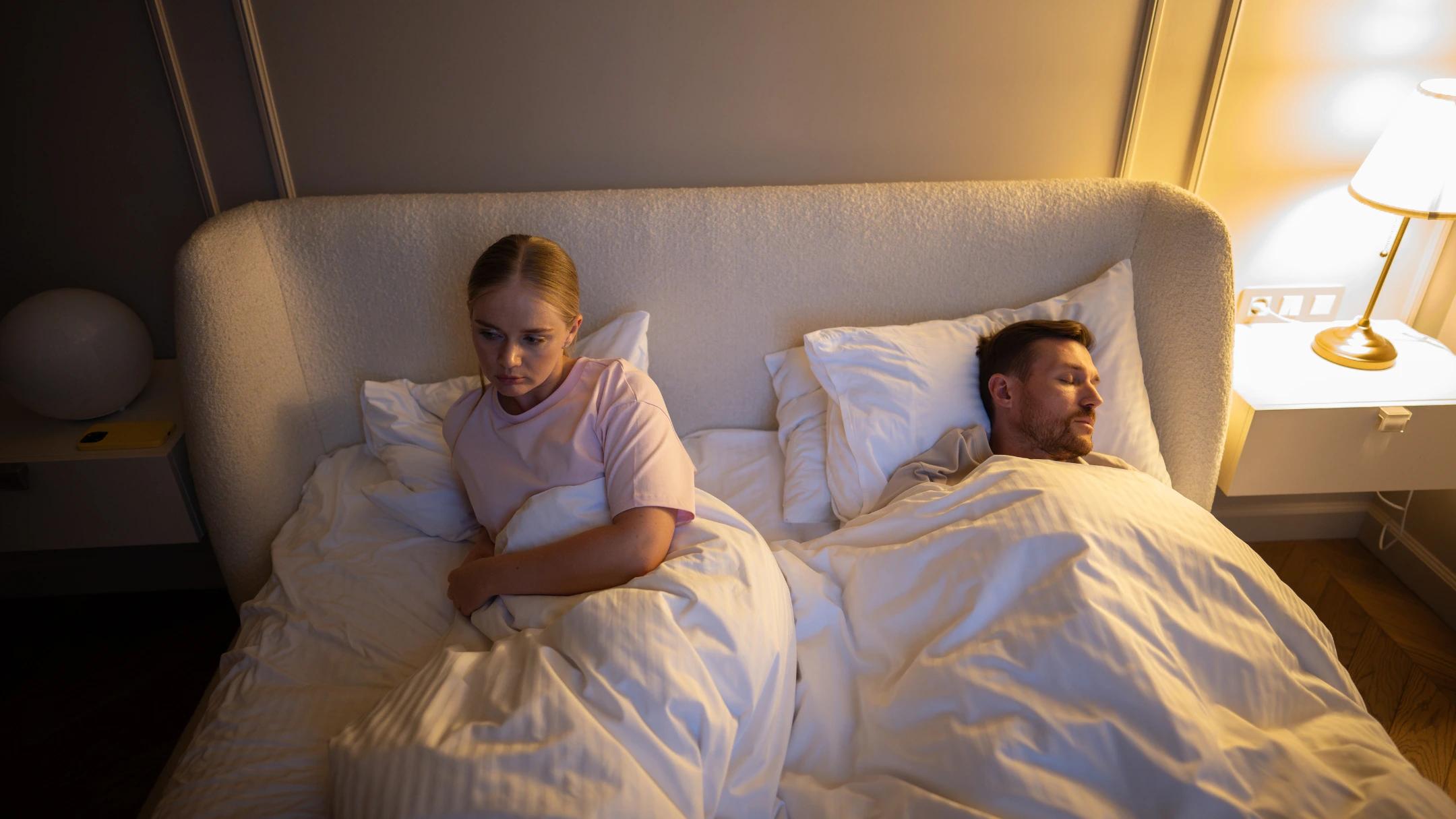
Lower back pain worse at night? It’s not just your mattress—it could be inflammation, bursitis, or gut issues. Learn expert-backed solutions to relieve nighttime back pain fast.
KEY TAKEAWAYS
- Lower back pain that gets worse at night has several possible causes. Most are mechanical and settle with normal care, but a specific pattern warrants a rheumatology or medical assessment before physiotherapy proceeds.
- One important pattern (chronic pain lasting more than three months, waking up in the second half of the night, morning stiffness lasting more than 30 minutes, better with movement and not with rest, onset before age 45) is the recognised pattern of inflammatory back pain, which can be a sign of axial spondyloarthritis and needs rheumatology assessment.
- Other patterns that need physician assessment first: nocturnal pain that is progressive over weeks, pain unrelieved by any position, pain accompanied by fever, unexplained weight loss, a history of cancer, or new neurologic symptoms.
- Most nighttime back pain is mechanical: tissue stiffening during hours of immobility, side-sleeping pressure at the hip, an unsupportive mattress, or a movement pattern from the day showing up loudest at rest. These respond to normal, layered physiotherapy care.
- The message you may have seen online (that nighttime back pain is "just inflammation, not structural") is not accurate. Nocturnal pain patterns are a specific clinical signal worth taking seriously.
You crawl into bed. You settle in. You start to relax. And then your lower back starts to nag, or throb, or burn, and you cannot find a position that quiets it. By 3 a.m. you have tried three pillow arrangements and given up on the pillow entirely. By morning you are stiff and exhausted.
If this is your night more often than it should be, it is worth understanding what it might mean. Nighttime lower back pain is not always the same problem as daytime lower back pain, and one specific pattern is worth catching early. Here is what the current evidence says, when to be reassured, and when to have the conversation with your family doctor.
NIGHTTIME BACK PAIN HAS SEVERAL POSSIBLE CAUSES
The most common source of nighttime lower back pain in the general population is mechanical. Tissue that has been immobile for hours stiffens up. Muscles that were guarding an irritated joint all day continue to guard while you lie still. A mattress that does not support the natural curves of your spine loads structures that would otherwise be off duty. Side-sleeping pressure at the hip and outer thigh can irritate the greater trochanter area (sometimes labelled bursitis, though the modern term is gluteal tendinopathy) and refer pain into the lower back. All of these are normal patterns and they respond to the normal, layered care that most lower back pain responds to.
There is a second, less common category of nighttime back pain that is important to recognise. Some inflammatory conditions of the spine (the umbrella term is axial spondyloarthritis) present with a specific pattern that includes nocturnal pain. And a smaller number of serious conditions (spinal fracture, infection, or a malignant process involving bone) can also present with pain that is worst at night and unrelieved by position change. These need medical assessment.
The point of this article is not to alarm you. Most nighttime back pain is mechanical, and even the inflammatory pattern is quite specific, so it is usually recognisable if you know what to look for. The point is to help you sort what you are dealing with, so that the mechanical stuff gets the movement and hands-on care it needs, and the less common stuff gets the medical attention it needs.
THE PATTERN THAT SUGGESTS INFLAMMATORY BACK PAIN
There is a defined clinical pattern that rheumatologists use to identify inflammatory back pain, published by the Assessment of SpondyloArthritis International Society in Annals of the Rheumatic Diseases in 2009. The pattern is called the ASAS criteria for inflammatory back pain, and it looks like this. If four of the five features below are present, inflammatory back pain is likely.
Onset of back pain before age 40. If your back trouble started in your teens, twenties, or thirties and has been an on-and-off feature of your life since, that is more suggestive than a first episode at age 55.
Insidious onset. The pain crept in over weeks or months rather than starting on a specific day tied to a specific event.
Improvement with exercise. Not just tolerable during exercise, but noticeably better after moving around. Many people with inflammatory back pain describe getting up and walking as the fastest way to break the stiffness.
No improvement with rest. This is the counterintuitive one. Mechanical back pain usually settles with rest. Inflammatory back pain often does not, and sometimes gets worse the longer you lie still.
Pain at night, with improvement upon getting up. Especially waking up in the second half of the night due to back pain, and then feeling better once you are up and moving.
A primary care review of axial spondyloarthritis published in Mayo Clinic Proceedings in 2020 notes that axial spondyloarthritis affects around 1 percent of the population, that it is systematically underdiagnosed, and that the classic diagnostic delay from first symptoms to diagnosis is measured in years. Early recognition matters because effective treatments exist, and because prolonged untreated inflammation contributes to long-term structural change.
If your back pain fits several of the features above, particularly if you have prolonged morning stiffness that improves with activity and pain that wakes you up, the right next step is a conversation with your family doctor about referral to a rheumatologist. This is not something we work up or manage at Unpain Clinic. We treat the mechanical layer of back pain very well; the systemic inflammatory conditions belong with the rheumatology specialists who diagnose and treat them.

OTHER RED FLAGS FOR NIGHTTIME BACK PAIN
A separate set of nighttime back pain patterns warrants prompt medical assessment before physiotherapy. These are drawn from the 2011 American College of Physicians clinical practice guideline on imaging for low back pain in Annals of Internal Medicine and adjacent guidance.
Night pain that is progressive over weeks. Pain that starts as mild and steadily worsens each week, without a mechanical explanation.
Pain unrelieved by any position or movement. Mechanical back pain usually eases in at least one position. Pain that is constant regardless of what you do warrants attention.
- Fever, chills, or unexplained weight loss accompanying the back pain. These raise concern for infection or malignancy.
- A history of cancer at any point, or currently active cancer, in someone with new nocturnal back pain. New back pain in a patient with prior cancer is treated as suspicious for metastatic involvement until proven otherwise.
- New neurologic symptoms. Numbness, weakness, changes in bladder or bowel function, or saddle-area numbness warrant urgent assessment.
- Significant trauma. Even relatively minor trauma in an older patient or someone on long-term corticosteroids can produce fractures that present with severe nocturnal pain.
If any of these apply, please see your family doctor or an urgent care physician first. A physiotherapy assessment is not the right first step; the medical workup is.

WHEN NIGHTTIME BACK PAIN IS (PROBABLY) MECHANICAL
If none of the inflammatory or red flag patterns apply, and your nighttime back pain is intermittent, position-dependent, and settles within the first hour after you are up and moving, you are most likely in the mechanical category.
A few patterns are typical.
Immobility-related stiffness. The single most common driver. Tissue that has been in one position for six or eight hours stiffens up. Muscles that were slightly guarded during the day continue to guard. When you first move, the guarding fires briefly. Then it settles. This kind of nighttime and morning pain is annoying but not clinically worrying.
Side-sleeping pressure at the hip. If you are a dedicated side sleeper and one hip is bearing your weight all night, the outer hip and lateral thigh area can become irritated. That irritation refers pain into the lumbar region and lower back. A pillow between the knees, occasional position changes, and addressing the underlying hip tissue often resolves this.
Mattress and pillow setup. As the previous article in this series covered in more detail, a medium-firm mattress is the most consistently evidence-supported choice for chronic lower back pain based on the Kovacs 2003 randomized controlled trial in The Lancet. An overly soft or overly firm mattress can be a nightly aggravator for a back that would otherwise be settling.
Daytime patterns showing up loudest at rest. Long hours of sitting, a heavy lift, a demanding session at the gym, or a difficult day of driving can all produce back tissue that is quiet during the day (because it is being distracted by other movement) and speaks up when you finally lie still. This is not a bedtime problem; it is a daytime pattern that is loudest at rest.
WHAT ACTUALLY HELPS FOR MECHANICAL NIGHTTIME BACK PAIN
If your nighttime back pain is in the mechanical category, the approach is the same evidence-based framework that applies to lower back pain generally. The 2017 American College of Physicians clinical practice guideline on noninvasive treatments for low back pain in Annals of Internal Medicine recommends non-drug treatments (exercise, manual therapy, and related active approaches) as first-line care.
- A good assessment first. A 60-minute one-on-one assessment identifies the specific mechanical drivers behind your night pain. Hip mobility, thoracic mobility, deep core function, breathing patterns, and how you move during the day all contribute.
- Manual therapy and joint mobility work. Restoring normal movement to the joints above and below the irritated area reduces the load carried by the lumbar tissue overnight.
- A progressive exercise program. Specific, dosed for where you are right now, and progressed over time. Strong hips and a well-functioning deep core reduce the load that reaches the lumbar tissue during the day, which reduces what is left over to bother you at night.
- Sleep-adjacent adjustments. A medium-firm mattress if yours is dramatically wrong. A pillow between the knees for side sleepers. A short walk or light mobility work before bed to reduce accumulated stiffness. These are supporting factors, not standalone fixes.
For stubborn chronic cases with persistent soft-tissue irritation that has not responded to the above, focused shockwave therapy and EMTT are two adjunctive tools we sometimes add. They earn their place for chronic muscle and tendon irritation in the lumbar and hip region, not as a first call for a fresh flare.

“I’m acquainted with all the therapists here and everyone is amazing at what they do! Dr. Lacina treated me after I was struggling with back pain for several years. Within 3 treatments I feel absolutely no pain! I can live my life normally and for the first time in 2 years I can train legs at the gym with no pain. She’s been completely life changing! I can’t recommend this clinic enough if you are struggling with pain! :)”- Holly LeBlanc
WHAT WE DO NOT OFFER
- We do not diagnose or manage axial spondyloarthritis or other inflammatory rheumatologic conditions. If your pattern fits inflammatory back pain, we will tell you and recommend a conversation with your family doctor about rheumatology referral.
- We do not perform or order imaging. X-rays and MRIs are ordered by physicians. If your situation needs imaging, we will tell you and recommend a conversation with your family doctor.
- We do not perform injections of any kind, including cortisone or platelet-rich plasma.
- We do not prescribe oral or topical pain medications.
- We do not perform surgery. If your situation requires a surgical opinion, we will tell you and refer you to a spine specialist.
- We do not promise cures. Most mechanical nighttime back pain improves substantially with the right combination of treatments, but not every case resolves completely. What we offer is an honest assessment, a clear plan, and a team that will tell you if we are not the right fit.
FREQUENTLY ASKED QUESTIONS
I read somewhere that nighttime back pain is always just inflammation, not a structural problem. Is that true?
That framing is not accurate. Nighttime back pain that is unrelieved by rest is one of the specific patterns that rheumatologists use to identify inflammatory back pain (which can be a sign of axial spondyloarthritis), and it is also one of the red flags in the 2011 ACP imaging guideline for lower back pain for conditions like infection or malignancy. Most nighttime back pain is mechanical and benign, but the "just inflammation" framing skips over specific patterns that are worth catching.
What is inflammatory back pain, and how is it different from mechanical back pain?
Inflammatory back pain is a specific pattern associated with axial spondyloarthritis, defined by the Assessment of SpondyloArthritis International Society in 2009. Four out of five features suggest it: chronic pain over three months, onset before age 45, insidious onset, improvement with exercise but not with rest, and pain at night with improvement upon getting up. Mechanical back pain typically improves with rest and worsens with load; inflammatory back pain often does the opposite.
Should I see a physiotherapist or a doctor first for my nighttime back pain?
If your pattern fits any of the red flag categories (progressive over weeks, unrelieved by any position, accompanied by fever or weight loss, in a person with cancer history, or with new neurologic symptoms), see your family doctor or urgent care physician first. If your pattern fits inflammatory back pain (four of the five features above), also start with your family doctor for rheumatology referral. If none of those fit and the pattern seems mechanical, physiotherapy is a reasonable first step in Alberta since no referral is needed.
Is it normal to wake up with back pain in the morning that goes away after an hour?
Very common. Immobility-related tissue stiffening is the most frequent driver, especially with age or with a background of chronic mechanical back pain. If the pain settles within the first hour of moving, that pattern is more reassuring than alarming. The pattern that is more concerning is nighttime pain that wakes you up in the second half of the night and does not settle when you get up.
Could my sleep position be causing this?
Sleep position can contribute, but the story is more variable than the internet sometimes suggests. Side-sleeping pressure at the hip is one common contributor to lateral pain that refers into the lower back. Sleeping in one position all night on a mattress that does not support your spine's curves is another. Prone sleeping is often described as the least back-friendly, but not universally so. If your usual position is comfortable and you feel fine, do not change it because someone told you to.
Will focused shockwave help my nighttime back pain?
It can, for mechanical chronic cases where persistent soft tissue irritation is part of the picture. It is not the first tool we reach for. It earns its place after the assessment when chronic muscle tightness, gluteal tendinopathy at the hip, or scar tissue in the lumbar region is driving the night symptoms. It is not the right approach for inflammatory back pain, which needs rheumatology management.
Do I need a doctor's referral to come to Unpain Clinic?
No referral is needed for the physiotherapy assessment. Physiotherapists and registered massage therapists in Alberta are primary contact providers, so you can book directly. That said, if your pattern fits red flag or inflammatory categories, please see your family doctor first for the appropriate medical assessment.
ABOUT THE AUTHOR
Written by Uran Berisha, PT, RMT, Founder of Unpain Clinic and Medical Shockwave Institute. Uran is a physiotherapist based in Edmonton, Alberta, and an International Educator in Shockwave Therapy. Medically reviewed by Uran Berisha, PT, RMT.
READY TO GET YOUR NIGHTS BACK?
If your lower back has been the reason you are not sleeping well, and the pattern seems mechanical rather than one of the categories that needs a physician's assessment first, the next step is a 60-minute one-on-one assessment in Edmonton. We look at the back, the hips and thoracic spine around it, your sleep setup, and the daytime patterns that show up loudest at rest. We will tell you honestly whether our approach is the right call, and if the pattern is not one we treat, we will point you to who does. You can book a one-on-one assessment when you are ready.
REFERENCES
The following sources are linked inline in the body above. The full citations are listed here for completeness.
- Sieper J, van der Heijde D, Landewé R, et al. New criteria for inflammatory back pain in patients with chronic back pain: a real patient exercise by experts from the Assessment of SpondyloArthritis international Society (ASAS). Annals of the Rheumatic Diseases. 2009;68(6):784-788. doi:10.1136/ard.2008.101501. PMID: 19147614. https://pubmed.ncbi.nlm.nih.gov/19147614/
- Chou R, Qaseem A, Owens DK, Shekelle P; Clinical Guidelines Committee of the American College of Physicians. Diagnostic imaging for low back pain: advice for high-value health care from the American College of Physicians. Annals of Internal Medicine. 2011;154(3):181-189. doi:10.7326/0003-4819-154-3-201102010-00008. PMID: 21282698. https://pubmed.ncbi.nlm.nih.gov/21282698/
- Qaseem A, Wilt TJ, McLean RM, Forciea MA; Clinical Guidelines Committee of the American College of Physicians. Noninvasive treatments for acute, subacute, and chronic low back pain: a clinical practice guideline from the American College of Physicians. Annals of Internal Medicine. 2017;166(7):514-530. doi:10.7326/M16-2367. PMID: 28192789. https://pubmed.ncbi.nlm.nih.gov/28192789/
- Kovacs FM, Abraira V, Peña A, et al. Effect of firmness of mattress on chronic non-specific low-back pain: randomised, double-blind, controlled, multicentre trial. The Lancet. 2003;362(9396):1599-1604. doi:10.1016/S0140-6736(03)14792-7. PMID: 14630439. https://pubmed.ncbi.nlm.nih.gov/14630439/
Related Topics