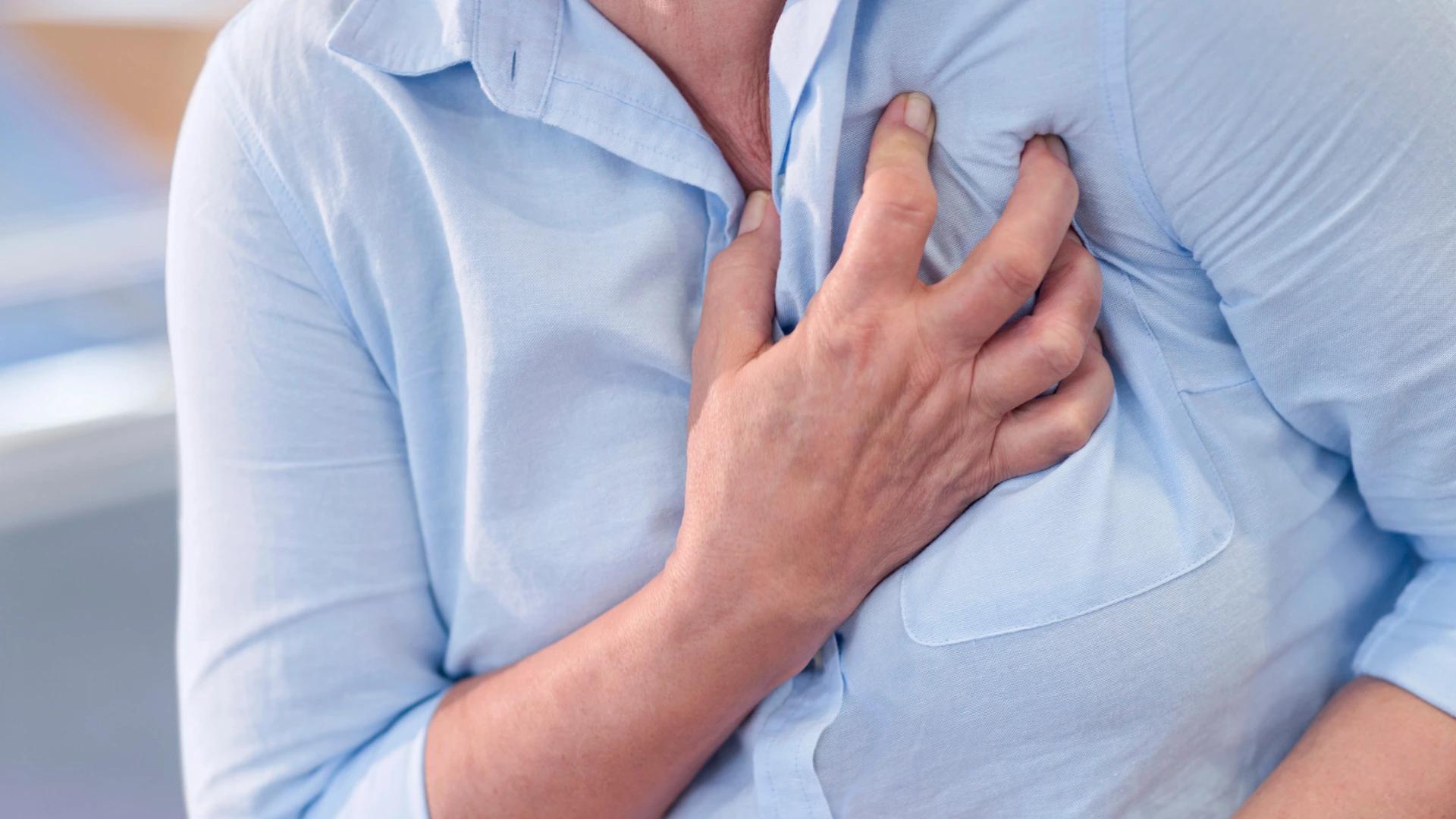
Collarbone pain or pain under the collarbone may be linked to Thoracic Outlet Syndrome. Learn causes, symptoms, and treatment options from a physiotherapist.
Introduction
If you’re dealing with collarbone pain that won’t settle especially if it’s paired with neck/shoulder tension, tingling down the arm, or symptoms that flare when your arm is overhead you’re not alone. For many people, discomfort that feels like clavicle pain or pain below collar bone left side can be confusing and scary because it doesn’t always “act like” a simple muscle strain.
One possible (and often misunderstood) contributor is Thoracic Outlet Syndrome (TOS) a condition involving irritation or compression of nerves and/or blood vessels as they pass from your neck into your arm. TOS can be complex, and it can mimic other problems, so the goal of this article is to help you understand what it is, what research says, and how a careful assessment can guide the next step.
Results may vary; always consult a qualified healthcare provider for diagnosis and personalized care.

What is thoracic outlet syndrome
TOS is generally described as a neurovascular syndrome associated with compression of the “brachial bundle” (the brachial plexus nerves and/or the subclavian blood vessels) as those structures travel from the neck toward the arm.
A key reason TOS can be confusing is that compression can occur in more than one anatomical “zone,” commonly described in the thoracic outlet literature as the interscalene triangle, costoclavicular space, and subcoracoid (pectoralis minor) space.

Types of TOS
A systematic review describing the TOS spectrum outlines common “types” as:
- Neurogenic TOS (nerve-related symptoms)
- Arterial TOS (artery-related symptoms)
- Venous TOS (vein-related symptoms)
- An often-disputed nonspecific form (sometimes described as “disputed neurogenic TOS”)

Why symptoms can persist
TOS symptoms may persist for a few overlapping reasons:
Mechanical compression or irritation can be position-dependent (for example, worse when the arm is elevated or held forward).
Symptom overlap is common. In the STOPNTOS randomized clinical trial paper, the authors highlight broad symptom variability and overlap with other diagnoses, plus the lack of accurate diagnostic tests factors that can delay clarity and effective planning.
Not every case has clear objective “tests.” The diagnostic accuracy literature emphasizes limited evidence supporting many clinical tests and ongoing controversy around diagnostic criteria.
When TOS can feel like collarbone pain
Why the collarbone region is involved
The clavicle sits directly above one of the key passageways for nerves and blood vessels traveling into the arm. In the TOS literature, a commonly discussed compression region the costoclavicular space is bounded in part by the clavicle and nearby structures.
That’s why some people describe:
- Pain below collar bone (front of chest/upper rib area)
- Pain in collarbone and shoulder
- Shoulder clavicle pain
A “pinchy” or “burny” sensation near the clavicle that worsens with reaching, carrying, or overhead positions
Common symptom patterns described in research
A systematic review on clinical testing for TOS describes reported features across types, including:
- Neurologic symptoms: paresthesia/tingling, numbness, progressive weakness, loss of dexterity, pain, and sometimes atrophy
- Arterial symptoms: pallor, coolness, fatigability, pain, cramping, and reduced pulse
- Venous symptoms: edema (swelling), cyanosis (bluish color), heaviness/fatigue, thrombosis
If you’re noticing collarbone swelling, unusual arm discoloration, or new heaviness/swelling—especially if symptoms are sudden—seek urgent medical evaluation to rule out vascular causes.

What research says
Diagnosis is challenging and tests are imperfect
A systematic review of clinical tests for neurogenic and vascular TOS concluded that little evidence currently supports the validity of clinical tests for diagnosing TOS, noting high heterogeneity and limitations in reference standards and study quality.
This does not mean you “can’t” get answers. It means your clinician should:
- Take a detailed history (what positions provoke symptoms, what relieves them, what your daily loads look like)
- Perform a careful physical exam
- Use tests as supporting information, not as a single “yes/no” verdict
Electrodiagnostic testing may offer clues, but isn’t definitive
A systematic review and meta-analysis on electroneuromyography (nerve conduction and EMG) in neurogenic TOS found:
- Results were heterogeneous and evidence quality ranged from very low to moderate
- Data were insufficient to establish sensitivity/specificity
- Certain nerve signal amplitudes were lower in pooled analyses, suggesting electrophysiology may provide clues, not a definitive rule-in/rule-out test
Conservative/rehab care: may help, but evidence quality is limited
A systematic review focused on physical treatments for TOS reported that physical treatments can reduce pain, but concluded there was no firm evidence to support effectiveness due to limited study strength and inconsistency across studies.
Importantly for patients: the same review notes that many conservative programs emphasized exercise (strengthening, stretching, and mobilization), especially targeting scapulothoracic and related muscles.
Injection approaches: botulinum toxin trial did not show meaningful benefit
A double-blind randomized controlled trial published in PAIN investigated botulinum toxin type A injections into scalene muscles for TOS and reported:
- No clinically or statistically significant improvements in pain, paresthesias, or function compared with placebo
- The adjusted between-group pain difference at 6 weeks was small and not significant
Surgery: may help for selected patients who fail conservative care
The STOPNTOS randomized clinical trial compared surgery (transaxillary thoracic outlet decompression) versus continued conservative treatment in patients with neurogenic TOS refractory to conservative therapy. At 3 months, the surgery group showed a statistically significant advantage in DASH disability scores; the conservative group later crossed over to surgery.
This is not a “surgery is always the answer” message. It’s evidence that for a subset of patients—particularly those who have not improved with conservative care—surgical decompression can be beneficial. Decisions should be individualized and based on full clinical context.
Treatment options at Unpain Clinic
At Unpain Clinic, our philosophy is to get out of symptom-chasing and into pattern recognition: what loads you, what sensitizes you, what positions narrow space, and what tissues are contributing to the pain experience.
Below is how the modalities you asked about typically fit into a TOS-informed plan. (Not every tool is right for every person; results may vary.)
Shockwave therapy
Shockwave therapy is frequently discussed across Unpain Clinic education as a non-invasive option that may be used when soft tissue pain and dysfunction are part of the clinical picture especially when pain has become persistent and movement is limited.
Relevant Unpain Clinic podcast episodes include:
- “Learn how to cure and relieve your chronic shoulder pain!” (Dec 9, 2020)
- “Eliminate the cause of your knee pain with True Shockwave therapy” (Jul 28, 2021)
- “Why whiplash pain doesn’t go away and how to cure it!” (Jul 6, 2022)
Where evidence helps us frame expectations: shockwave has been studied in related pain presentations (for example, myofascial pain in the neck/upper back). A 2022 systematic review/meta-analysis of controlled clinical studies reported improved pain, pain threshold, and neck disability index outcomes after ESWT in myofascial pain syndrome populations (majority neck/upper back sites).
Important clinical nuance: shockwave is not “proven to treat TOS itself.” When we include it, the rationale is usually to address contributing tissue pain and movement restriction that can coexist with thoracic outlet irritation (for example, guarded neck/shoulder tissues), while we simultaneously rebuild capacity with exercise and movement exposure.

EMTT
EMTT (Extracorporeal Magnetotransduction Therapy) is discussed publicly by Unpain Clinic as a non-invasive technology option.
Unpain Clinic YouTube short highlighting EMTT:
- “#shorts Forget LasersThis Magnetic Therapy Goes Deeper” (YouTube shows “1 month ago” in the snippet)
- Peer-reviewed evidence for EMTT is still emerging and is not specific to TOS. One prospective randomized controlled trial in non-specific low back pain reported better outcomes when EMTT was added to conventional therapy versus conventional therapy alone.
How we frame this for TOS-like cases: EMTT may be considered to support pain modulation and tissue tolerance in broader musculoskeletal patterns, but we avoid claiming it “fixes thoracic outlet compression.” The core is still identifying provocative mechanics and building resilient movement capacity.

Neuromodulation
Neuromodulation broadly refers to using stimulation (often electrical) to influence nervous system activity. In TOS-like presentations especially when pain has become persistent some people benefit from an approach that also considers nervous system sensitivity and recovery.
Unpain Clinic has introduced NESA® on YouTube as a nervous-system–focused, non-invasive option:
- “#shorts Try a nervous system reset with NESA therapy—now at Unpain Clinic” (YouTube snippet available; exact publish day not accessible in our crawl environment)
- “#shorts Its Not Just Pain Its Your Nervous System” (uploaded very recently per YouTube snippet; exact publish day not accessible in our crawl environment)

From an evidence perspective, you’ll see a wider research base for non-invasive neuromodulation approaches in general pain care than for any single proprietary device. If neuromodulation is part of your plan, we keep it realistic: it may help some people with pain modulation and recovery, and it is typically paired with movement-based rehabilitation rather than used as a stand-alone solution.
Manual therapy and movement retraining
A “hands-on” approach may be used to:
- Calm protective guarding
- Improve tolerance to movement
- Help you access positions you’ve been avoiding (without forcing end ranges)
But the evidence base for conservative care in TOS is mixed and often low quality in older literature summaries—so we treat manual therapy as a supporting tool, not the centerpiece.
Exercise-based rehab
Across published conservative-care discussions, exercise is commonly a major component of TOS rehab plans. A systematic review on physical treatments notes many included studies used strengthening, stretching, and mobilization, with attention to scapulothoracic and related muscles.
In practice, we tailor exercise to:
- Reduce symptom-provoking positions early (without avoiding movement altogether)
- Build scapular and thoracic capacity gradually
- Improve breathing mechanics and rib-cage motion when relevant
- Progress back to overhead work/sport in stages
Patient experience case example
Composite example (details changed to protect privacy).
“Sam,” a 34-year-old desk worker and recreational lifter, came in describing pain in collarbone and shoulder that felt sharp under the clavicle after long laptop days and flared with overhead pressing. They also noticed intermittent tingling in the hand during long drives. The fear was real: “Is something stuck or torn under my collarbone?”
Assessment focused on:
- Symptom mapping (which arm angles and tasks triggered symptoms)
- Neck/shoulder mechanics under load
- Scapular control during reaching
- Screening for vascular warning signs (swelling/discoloration)
The plan emphasized:
- A graded return to overhead activity (rather than stopping all upper-body movement)
- Targeted strengthening and positional tolerance work
- Short-term symptom modulation strategies (as needed) while capacity improved
Over time, the key win wasn’t a “miracle cure” it was a steady reduction in flare intensity, fewer symptoms with overhead tasks, and a clear understanding of what was driving the collarbone pain pattern.
At-home guidance between visits
These are conservative, generally safe ideas that many people tolerate well. Stop if symptoms worsen, and consult a clinician if you’re unsure.
Breathing: downshift tone without stretching nerves aggressively
Try 2 minutes of slow nasal breathing:
- Inhale gently (3–4 seconds)
- Exhale a bit longer (5–7 seconds)
- Keep shoulders relaxed
This is not a “TOS cure,” but it may help reduce protective guarding that amplifies pain.
Scapular “set” drill
Standing or seated:
- Relax shoulders down
- Gently pull shoulder blades slightly back and down (small movement)
- Hold 3–5 seconds, repeat 6–10 times
Goal: build low-threat control of the shoulder girdle, not force posture.
Doorway pec stretch (gentle)
If stretching doesn’t flare symptoms:
- Forearm on doorway, elbow below shoulder height
- Step through slightly until you feel a mild stretch (not tingling)
- Hold 15–30 seconds, 2–3 times
If you feel arm tingling or sharp “electric” symptoms, back off this may be too aggressive for your current irritability.
Posture breaks that actually change load
Instead of “sit up straight,” try:
- 30–60 seconds each hour: stand, walk, and let the shoulders move naturally
- Change mouse/keyboard position to reduce prolonged reaching
These are simple, but they reduce cumulative stress that can feed neck/shoulder and muscle pain collarbone patterns.

FAQ
Can thoracic outlet syndrome cause pain below collar bone left side?
Yes, it can. TOS involves compression/irritation of neurovascular structures as they pass through regions that include the costoclavicular area, and symptom descriptions can include pain in the neck/shoulder/arm with variability.
What are red flags with collarbone pain that need urgent care?
Seek urgent evaluation if you have symptoms suggestive of vascular involvement, such as arm swelling (edema), bluish discoloration (cyanosis), unusual heaviness, or arterial type changes like pallor/coolness especially if sudden.
Do injections help TOS?
Evidence is mixed depending on injection type and goal. In one double blind randomized controlled trial, botulinum toxin injected into scalene muscles did not produce clinically or statistically significant improvements versus placebo for pain, paresthesias, or function.
When is surgery considered?
Surgery is typically considered for selected patients, especially when symptoms persist despite conservative management and when specialist evaluation supports decompression. In the STOPNTOS randomized trial, surgery showed better short term disability outcomes than continued conservative treatment in patients refractory to conservative care, with later crossover to surgery.
How long does it take to improve?
Timelines vary widely. The TOS literature highlights heterogeneity in presentation and limitations in diagnostic testing, which is why individualized planning matters. Some people improve with well-structured conservative care; others need specialist input.
What should I do if symptoms flare after exercises?
A flare does not automatically mean damage, but it does mean your current dose may be too high. Reduce intensity/range, simplify the routine, and get guidance so you’re not guessing. If vascular-type symptoms appear (swelling/discoloration), seek urgent evaluation.
Conclusion
Thoracic Outlet Syndrome is a real and often misunderstood reason some people experience stubborn collarbone pain, especially when symptoms radiate into the shoulder or arm, worsen with overhead positions, or come with tingling and heaviness. Research shows diagnosis can be challenging, clinical tests are imperfect, conservative care may help but evidence quality is mixed, and surgery can be beneficial for selected patients who do not respond to conservative treatment.
If you’re stuck in the loop of “rest, flare, repeat,” a whole-body assessment can help you identify what’s driving your symptoms and what to do next without guesswork.
Book Your Initial Assessment Now
At Unpain Clinic, we don’t just ask “Where does it hurt?” — we uncover “Why does it hurt?”
If you’ve been frustrated by the cycle of “try everything, feel nothing,” this assessment is for you. We take a whole-body approach so you leave with clarity, not more questions.
✅ What’s Included
- Comprehensive history & goal setting
- Orthopedic & muscle testing (head-to-toe)
- Motion analysis
- Imaging decisions (if needed)
- Pain pattern mapping
- Personalized treatment roadmap
- Benefit guidance
🕑 Important Details
- 60 minutes, assessment only
- No treatment in this visit
👩⚕️ Who You’ll See
- A licensed Registered Physiotherapist or Chiropractor
🔜 What Happens Next
- If you’re a fit, we schedule your first treatment and start executing your plan.
🌟 Why Choose Unpain Clinic
- Whole-body assessment, not symptom-chasing
- Root-cause focus, not temporary relief
- Non-invasive where possible
- No long-term upsells — just honest, effective care
🎯 Outcome
You’ll walk out knowing:
- What’s wrong
- Why it hurts
- The fastest path to fix it
Book Your Initial Assessment Now
Author: Uran Berisha, B.Sc. PT, RMT
Shockwave Therapy Educator & Founder
Unpain Clinic & I Love Shockwave
References
1. Finlayson HC, O’Connor RJ, Brasher PMA, Travlos A. Botulinum toxin injection for management of thoracic outlet syndrome: A double-blind, randomized, controlled trial. PAIN (2011).
2. Goeteyn J, Pesser N, Houterman S, et al. Surgery Versus Continued Conservative Treatment for Neurogenic Thoracic Outlet Syndrome: the First Randomised Clinical Trial (STOPNTOS Trial). Eur J Vasc Endovasc Surg (2022).
3. Dessureault-Dober I, Bronchti G, Bussières A. Diagnostic Accuracy of Clinical Tests for Neurogenic and Vascular Thoracic Outlet Syndrome: A Systematic Review. J Manipulative Physiol Ther (2018).
4. Daley P, Pomares G, Gross R, et al. Use of Electroneuromyography in the Diagnosis of Neurogenic Thoracic Outlet Syndrome: A Systematic Review and Meta-Analysis. J Clin Med (2022).
5. Lo CC-n, Bukry SA, Alsuleman S, Simon JV. Systematic review: The effectiveness of physical treatments on thoracic outlet syndrome in reducing clinical symptoms. Hong Kong Physiotherapy Journal (2011).
6. Wu T, Li S, Ren J, Wang D, Ai Y. Efficacy of extracorporeal shock waves in the treatment of myofascial pain syndrome: a systematic review and meta-analysis of controlled clinical studies. Annals of Translational Medicine (2022).
7. Krath A, Klüter T, Stukenberg M, et al. Electromagnetic transduction therapy in non-specific low back pain: A prospective randomised controlled trial. Journal of Orthopaedics (2017).
Unpain Clinic Podcast archive (episode titles and dates).
Unpain Clinic podcast: “Learn how to cure and relieve your chronic shoulder pain!”
Unpain Clinic YouTube short: “#shorts Forget LasersThis Magnetic Therapy Goes Deeper”
Unpain Clinic YouTube short: “#shorts Try a nervous system reset with NESA therapy—now at Unpain Clinic”
Related Topics